
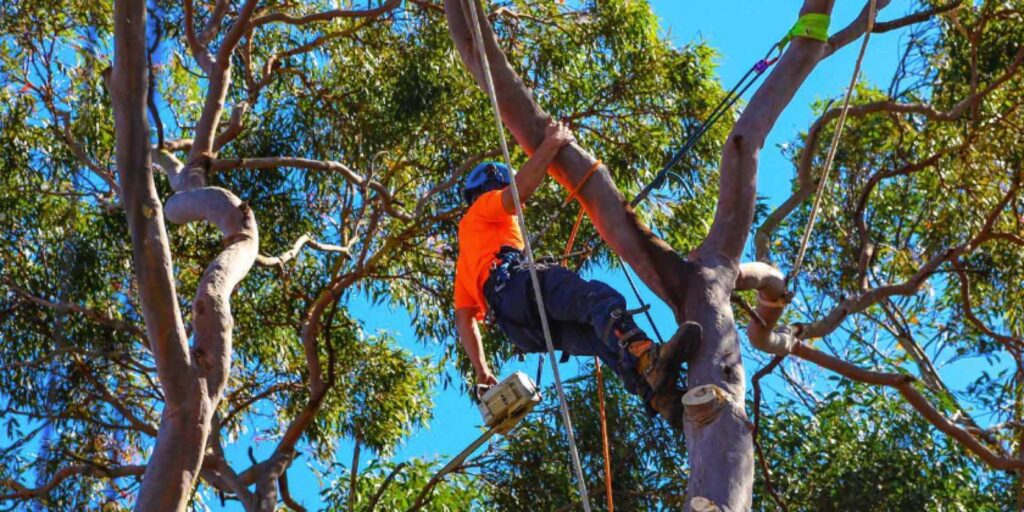
Tree pruning is a critical aspect of maintaining a healthy, aesthetically pleasing yard. It not only enhances the visual appeal of your landscape but also ensures the longevity and safety of your trees. A well-pruned tree can become the centerpiece of your garden, providing shade, beauty, and habitat for local wildlife. However, understanding the nuances of tree pruning can be daunting for homeowners. This guide offers insights into effective tree pruning techniques, their benefits, and how they can transform your outdoor space.
The Importance of Tree Pruning
Pruning is more than just trimming branches; it is a strategic approach to managing tree health and growth. Here are some reasons why pruning is essential:
- Health Maintenance: Removing dead or diseased branches prevents decay and helps the tree focus resources on healthy growth.
- Safety: Pruning reduces the risk of falling branches that could cause injury or property damage.
- Improved Light and Air Penetration: Thinning the canopy allows more sunlight and air to reach lower branches and surrounding plants, fostering a healthier ecosystem.
- Enhanced Aesthetics: Well-pruned trees contribute to the overall beauty and structure of a landscape design.
Find out more about this approach to tree care here.
When to Prune Trees
Timing is crucial in tree pruning to maximize benefits and minimize stress on the tree. Consider these factors:
- Season: Most pruning is done during the dormant season (late winter to early spring) to reduce sap loss and stress.
- Tree Type: Different species have specific pruning requirements, making it vital to understand the unique needs of each tree in your yard.
- Purpose: Whether for maintenance, corrective shaping, or disease management, the timing may vary.
Explore advanced guides and tips to determine the best time for pruning different types of trees here.
Effective Pruning Techniques
Using the right techniques is essential to ensure pruning is beneficial rather than harmful:
Cleaning
This involves removing dead, diseased, or weak branches from the tree’s crown. Cleaning helps maintain tree health and prevents potential hazards.
Thinning
Thinning involves selective branch removal to improve structure and increase light penetration. This technique boosts air circulation within the canopy, promoting a healthier environment.
Raising
This technique involves trimming the lower branches to provide clearance for pedestrians, vehicles, or views. It is crucial for maintaining safety and accessibility.
Reduction
Reduction reduces the size of a tree, often for utility clearance or to fit a specific space. Careful reduction helps maintain the tree’s natural shape and health.
Discover expert strategies in utilizing these techniques by visiting this resource.
Hiring Professional Pruning Services
While some pruning tasks can be managed by homeowners, professional services ensure safety and expertise. Consider the following when hiring a service:
- Experience and Credentials: Look for certified arborists with experience in handling various tree species and conditions.
- Safety Standards: Ensure the company follows industry safety protocols to protect both workers and your property.
- Customized Solutions: A good service provider will offer tailored solutions based on your specific landscape needs.
Learn about tailored solutions offered by expert services here.
Conclusion
Transforming your yard with top-notch tree pruning involves understanding the importance, timing, and techniques necessary for optimal results. Whether choosing to tackle minor tasks independently or hiring a professional service, informed decisions will ensure your trees remain healthy, safe, and visually appealing. For those seeking expert guidance and services, exploring available resources and professional options can lead to a thriving and beautiful landscape.
