
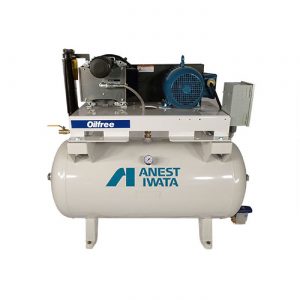
Installing an air compressor correctly is essential for its optimal performance and longevity. Whether it’s being used in an industrial setting or a home workshop, a well-installed air compressor can increase efficiency and reduce maintenance issues. This guide provides a detailed overview of the key steps and considerations involved in air compressor installation. With the right approach, you can ensure that your air compressor operates safely and effectively for years to come.
Planning Your Air Compressor Installation
Before beginning the installation process, it is important to have a clear plan in place. Start by considering the following:
- Location: Choose a location that provides adequate ventilation and is free of dust and moisture. The area should be large enough to accommodate the compressor and allow for easy access for maintenance.
- Power Supply: Ensure that the electrical supply meets the compressor’s voltage and phase requirements. It’s advisable to consult with a qualified electrician to guarantee safety and compliance with local regulations.
- Noise Level: If the compressor will be used in a noise-sensitive area, consider soundproofing measures or choosing a location that minimizes noise disruption.
Installation Steps
Prepare the Foundation
A stable foundation is crucial for a successful air compressor installation near me. Follow these steps to prepare the site:
- Ensure the surface is level and strong enough to support the weight of the compressor.
- Consider using vibration pads to reduce noise and wear on the compressor.
- Ensure the area is clear of debris and any obstructions that could impede airflow or access.
Connect the Power Supply
Proper electrical connection is essential for safety and efficiency:
- Verify that the power supply matches the specifications of the compressor.
- Install a dedicated circuit breaker to prevent overloading.
- Consult with an electrician to ensure all connections meet local safety standards.
Install the Air Intake and Exhaust Systems
Proper air intake and exhaust systems are vital for the performance of the compressor:
- Install air filters to prevent dust and debris from entering the compressor.
- Ensure the exhaust system is properly vented to the outside to prevent overheating.
- Regularly inspect and replace filters to maintain efficiency.
Testing and Maintenance
Once the air compressor is installed, testing and maintenance are critical to ensure its functionality:
- Start the compressor and listen for any unusual noises or vibrations.
- Check for air leaks using a soapy water solution.
- Regularly check oil levels and replace as needed to keep the compressor in top condition.
Routine maintenance involves regular checks and timely replacements of parts to prevent breakdowns and ensure efficiency. For those who lack the technical know-how or time, seeking professional air compressor installation near me services can be a wise choice.
Conclusion
Proper air compressor installation is a multifaceted process that requires careful planning and execution. By following the steps outlined in this guide and considering professional assistance when necessary, users can ensure that their compressor operates safely and efficiently. Investing time and resources in the initial setup can lead to significant long-term benefits, including reduced maintenance costs and extended equipment life.
