
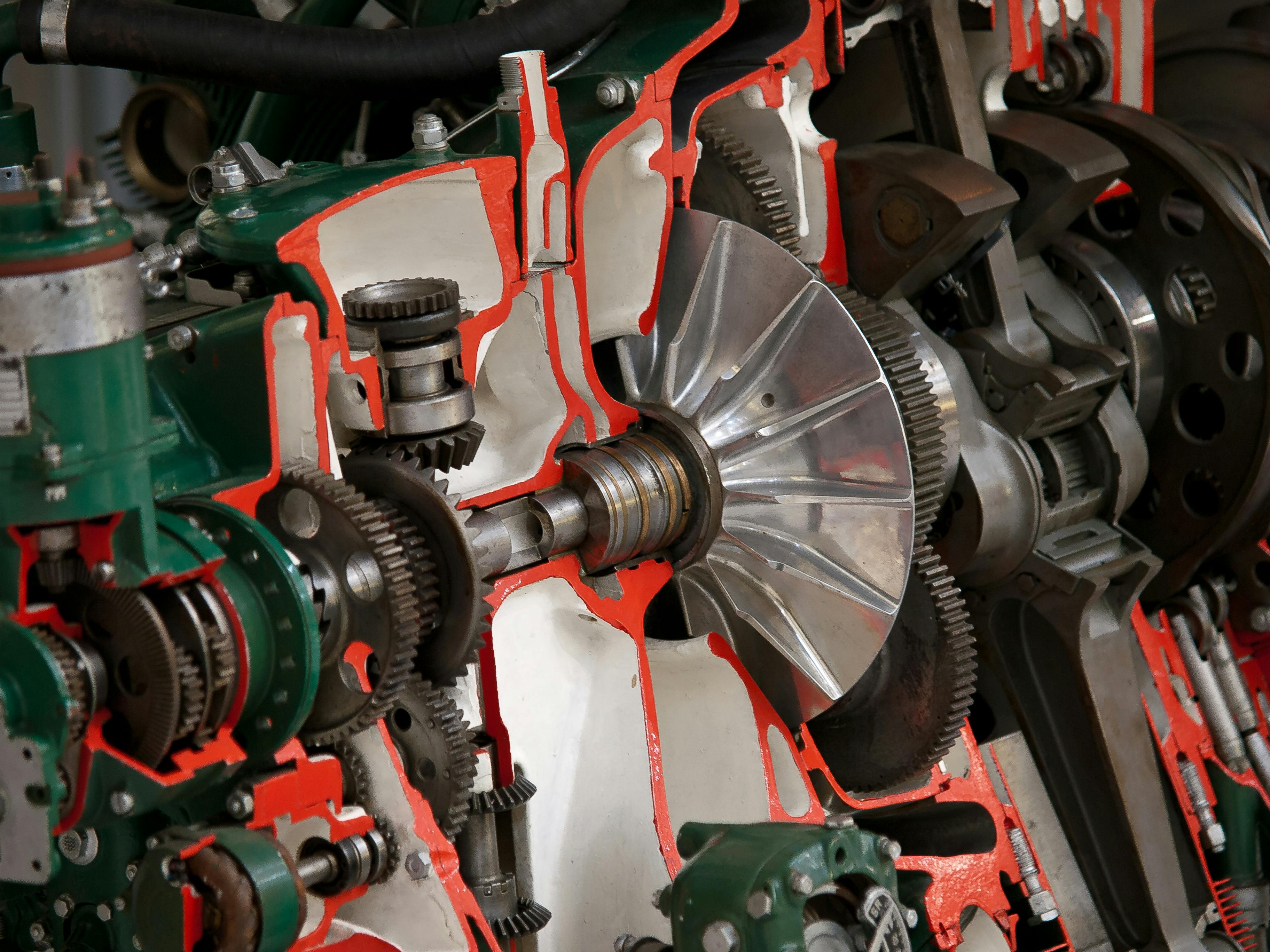
Industrial motors are the backbone of various sectors, powering everything from manufacturing equipment to transportation systems. These motors convert electrical energy into mechanical energy, enabling a wide range of applications. The performance and efficiency of these motors depend significantly on the quality and functionality of their components. Understanding the role of industrial motor components is crucial for ensuring optimal operation, maintenance, and innovation in industrial applications. This article explores the key components, their functions, and the importance of quality manufacturing standards.
Key Components of Industrial Motors
Industrial motors consist of several vital components, each contributing to the motor’s overall function and efficiency. Below are some of the primary components:
Stator
- The stator is the stationary part of the motor, which houses the windings.
- It creates a magnetic field when energized, which interacts with the rotor to produce motion.
- Quality stator construction is essential for efficient energy conversion.
Rotor
- The rotor is the rotating part of the motor, connected to the output shaft.
- It is typically made of laminated steel sheets and rotates within the magnetic field created by the stator.
- Effective rotor design enhances torque and minimizes energy loss.
Bearing
- Bearings support the rotor, allowing it to spin smoothly within the stator.
- They reduce friction and wear, prolonging the motor’s lifespan.
- Proper bearing selection and maintenance are critical for motor reliability.
Housing
- The housing protects the internal components from environmental factors.
- It provides structural integrity and can be designed for specific applications, such as dust or water resistance.
- Material selection for the housing can impact thermal management and motor durability.
The Importance of Quality Manufacturing
The quality of motor components directly impacts the performance, efficiency, and longevity of industrial motors. High-quality materials and precise manufacturing techniques are essential to meet the demanding requirements of industrial applications.
Learn more in this detailed guide.
Material Selection
- Different materials offer varying levels of conductivity, strength, and resistance to environmental factors.
- Selecting the appropriate materials can enhance the motor’s efficiency and reduce operational costs.
Manufacturing Processes
- Advanced manufacturing processes, such as precision stamping and CNC machining, ensure component accuracy and consistency.
- These processes help in maintaining tight tolerances and improving energy efficiency.
- Explore further insights here.
Innovations and Future Trends
The industrial motor market is continually evolving, driven by technological advancements and the demand for more efficient and sustainable solutions. Innovations in motor components are at the forefront of these developments.
Energy Efficiency
- New materials and designs are being developed to minimize energy loss and improve motor efficiency.
- Advanced control systems are being integrated to optimize performance based on real-time conditions.
Sustainability
- There is a growing focus on eco-friendly materials and manufacturing processes.
- Efforts are being made to reduce the carbon footprint of motor production and operation.
- Read more about this topic.
Understanding the role and importance of industrial motor components is essential for those involved in sectors that rely on these critical pieces of equipment. As technology progresses, staying informed about the latest trends and innovations in motor components will provide a competitive edge in optimizing industrial applications. Find additional information here.
