
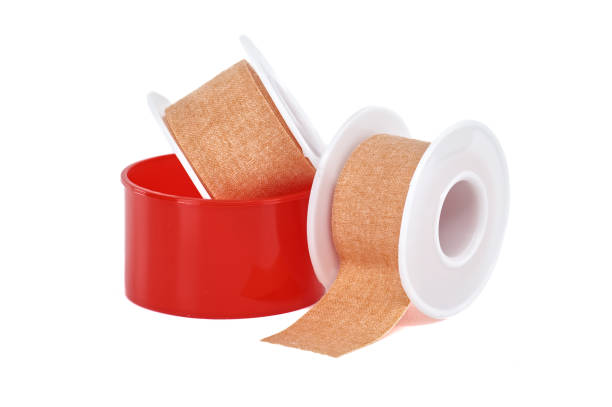
In the realm of healthcare, ensuring that wounds are properly treated and managed is of utmost importance. The use of medical tapes plays a crucial role in wound care by securing dressings, protecting the wound from external contaminants, and promoting optimal healing conditions. Understanding the importance of using the right medical tape for wounds can make a significant difference in the treatment outcomes and recovery process for patients.
The Role of Medical Tape in Wound Care
Medical tape is an essential component of wound care, offering several key benefits:
- Secures bandages and dressings in place, preventing them from slipping or becoming dislodged.
- Provides a barrier against bacteria and other harmful agents, reducing the risk of infection.
- Allows for flexibility and movement without compromising the integrity of the wound dressing.
- Can be easily removed and reapplied, minimizing discomfort during dressing changes.
Types of Medical Tape
There are various types of surgical tape available, each designed to meet specific needs:
Adhesive Tape for Skin
Adhesive tape for skin is designed to adhere gently to the skin without causing irritation or allergic reactions. It is ideal for patients with sensitive skin.
Wound Dressing Tape
Wound dressing tape provides strong adhesion to keep dressings securely in place. It is crucial for maintaining a sterile environment around the wound.
Surgical Medical Tape
Surgical medical tape is often used in operating rooms and emergency settings due to its durability and secure hold on medical devices and dressings.
Choosing the Right Tape for Specific Needs
Selecting the appropriate tape depends on several factors:
- The location and size of the wound.
- The patient’s skin condition and sensitivity.
- The type of dressing being used and its purpose.
- The duration the tape needs to remain in place.
For example, surgical tape for wounds is designed to handle more demanding applications where a strong hold is necessary.
Best Practices for Using Medical Tape
Proper application and removal of medical tape are essential to avoid skin damage and ensure the wound remains protected:
- Clean and dry the skin before applying tape to ensure optimal adhesion.
- Avoid stretching the tape during application to prevent skin irritation.
- Press the tape gently but firmly onto the skin to secure it in place.
- When removing tape, do so slowly and gently, peeling back at a 180-degree angle to minimize skin trauma.
By understanding the various types of medical tapes available and their specific applications, healthcare professionals can enhance the effectiveness of wound management strategies. Utilizing the right wound care tape not only promotes healing but also contributes to patient comfort and satisfaction.
