
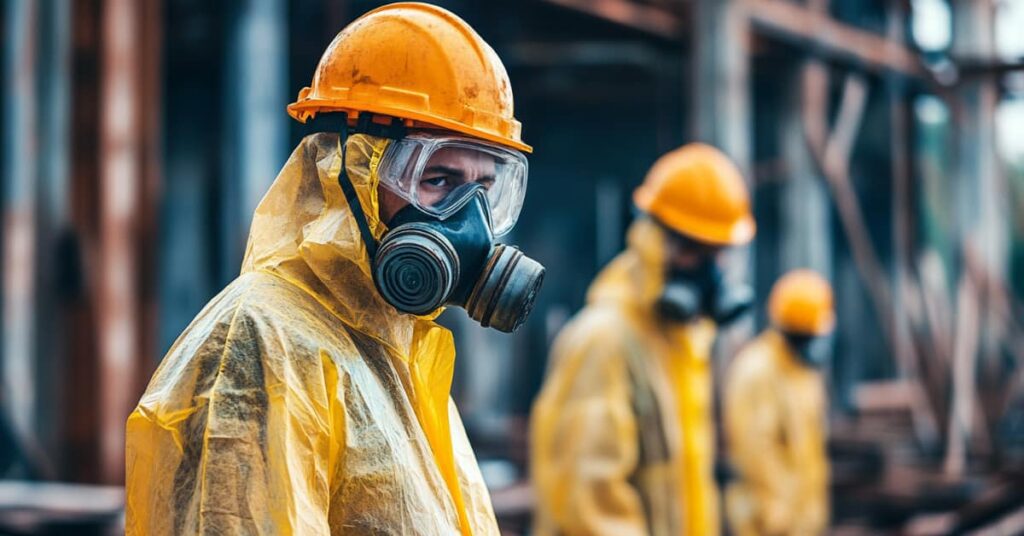
The Importance of Professional Hazardous Materials Remediation
In today’s rapidly advancing industrial landscape, hazardous materials have become an essential, albeit dangerous, component of many operations. The management and remediation of these materials require specialized knowledge and expertise to ensure safety and compliance. Professional hazardous materials remediation is crucial in safeguarding public health, protecting the environment, and adhering to legal requirements.
Understanding Hazardous Materials
Hazardous materials, often referred to as hazmat, include substances that pose a risk to health, property, or the environment. These can be chemical, biological, radiological, or physical agents.
Types of Hazardous Materials
- Chemical Hazards: Include toxic, corrosive, or flammable substances.
- Biological Hazards: Comprise infectious agents or biohazards.
- Radiological Hazards: Involve radioactive materials.
- Physical Hazards: Consist of materials that pose physical risks, such as explosives.
The Process of Professional Remediation
Professional remediation involves a systematic approach to managing and neutralizing hazardous materials. This process ensures safety, compliance, and environmental protection.
Key Steps in Remediation
- Assessment: Identifying and evaluating the risk associated with hazardous materials.
- Plan Development: Creating a remediation strategy tailored to specific hazards.
- Implementation: Executing the remediation plan using specialized equipment and techniques.
- Monitoring and Reporting: Continuous monitoring and documentation to ensure effectiveness and compliance.
To explore advanced guides and tips on effective hazardous materials remediation, click here.
Benefits of Professional Remediation
Utilizing professional remediation services brings a multitude of benefits, ensuring that hazardous materials are managed with utmost precision and care.
Safety and Compliance
Professional remediation ensures adherence to stringent safety and environmental regulations, minimizing the risk of costly violations and penalties. Find out more about this approach.
Environmental Protection
Effective remediation prevents the release of hazardous substances into the environment, protecting ecosystems and public health. Discover expert strategies here.
Cost Efficiency
While professional services might appear costly upfront, they are often more cost-effective in the long run by preventing accidents, fines, and environmental damage. Learn about our tailored solutions here.
Conclusion
In conclusion, the importance of professional hazardous materials remediation cannot be overstated. It is a critical component in maintaining safety, compliance, and environmental stewardship. By engaging experts who understand the complexities of hazardous materials, businesses can ensure that they are not only protecting their interests but also contributing to a safer and more sustainable future.
