
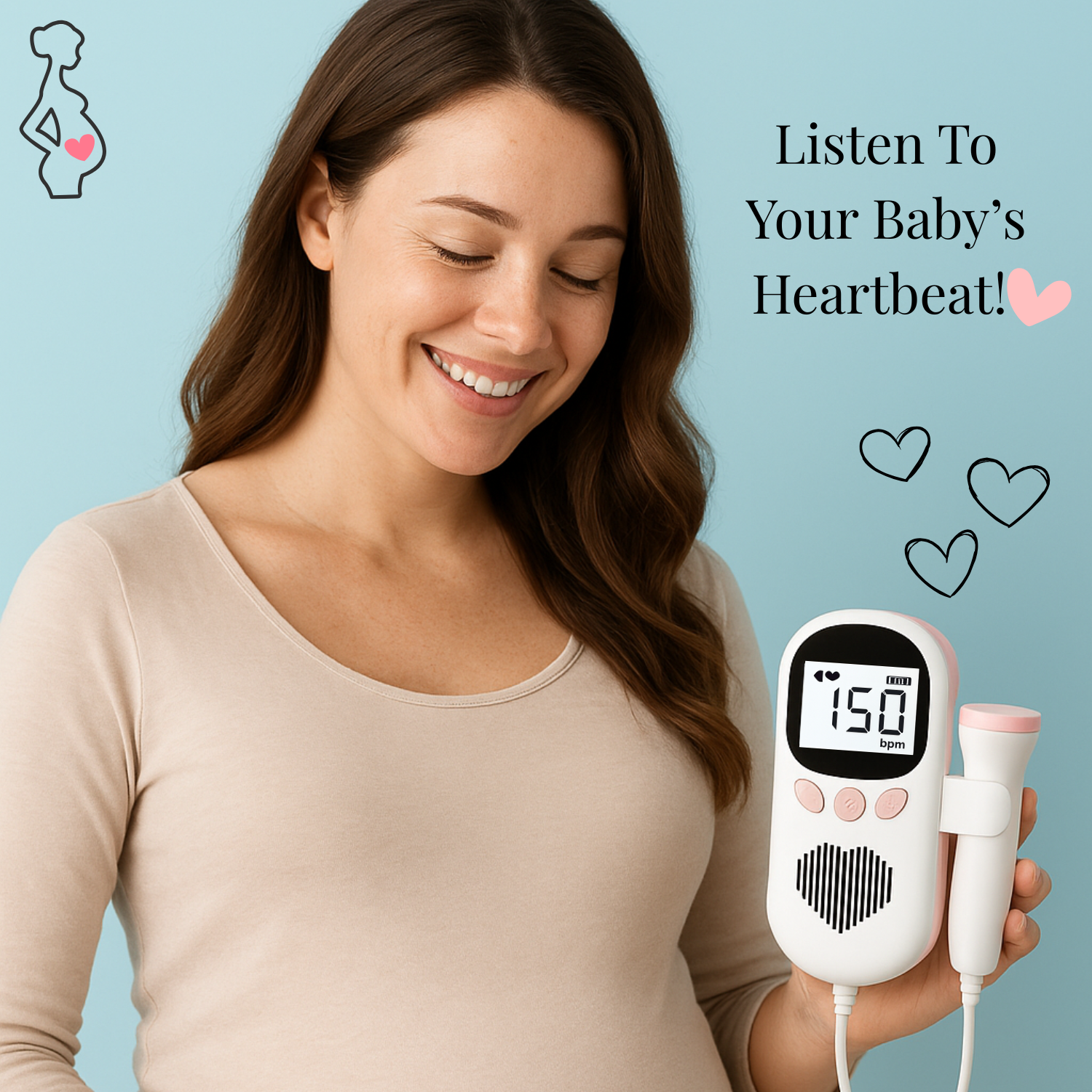
Expecting a baby is an exciting journey filled with anticipation and joy. One of the most reassuring aspects of pregnancy is feeling connected to the little one growing inside. While prenatal check-ups provide valuable insights into the health of the baby, the time between visits can sometimes leave expecting parents anxious. This is where a fetal monitor at home can bridge the gap, offering peace of mind and an additional layer of connection with the baby.
The Benefits of Using a Fetal Monitor at Home
Fetal monitors, often referred to as fetal dopplers, allow parents to listen to their baby’s heartbeat from the comfort of their home. This technology not only provides reassurance but also enhances the bonding experience. Here are several benefits of using a fetal monitor at home:
- Peace of Mind: Hearing the baby’s heartbeat can be reassuring, especially for expecting parents who may be concerned about the baby’s well-being between medical visits.
- Bonding Experience: Listening to the heartbeat can be a special moment for both parents. It allows them to share a tangible connection with the baby, creating a deeper emotional bond.
- Convenience: Having a fetal monitor at home means parents can check on their baby anytime, reducing anxiety and providing comfort.
- Educational Opportunity: Using a fetal monitor can be a learning experience, allowing parents to become more familiar with their baby’s patterns and movements.
How to Use a Fetal Monitor Safely
While using a fetal monitor at home is generally safe, it is important to follow specific guidelines to ensure the best experience:
Read the Instructions Carefully
Before using a fetal doppler for pregnancy, it’s crucial to thoroughly read the instruction manual. Understanding how the device works will help in using it effectively and safely.
Limit Usage Time
Experts recommend limiting the use of fetal monitors to a few minutes per session. This minimizes any potential risks associated with prolonged use of ultrasound technology.
Consult with Healthcare Professionals
It’s important to remember that a fetal monitor is not a replacement for professional medical advice. Always discuss any concerns with a healthcare provider to ensure proper prenatal care.
When to Use a Fetal Monitor at Home
Timing can play a crucial role in the effectiveness and accuracy of a fetal monitor. Here are some pointers on when to use the device:
- After 12 Weeks: Most fetal dopplers are effective from the 12th week of pregnancy onwards, as the baby’s heartbeat becomes more detectable.
- At a Quiet Time: For the best results, find a quiet environment. Background noise can interfere with the ability to hear the baby’s heartbeat clearly.
- With Adequate Gel: Using an appropriate amount of ultrasound gel helps in transmitting sound waves, making it easier to hear the heartbeat.
Conclusion
Embracing the use of a fetal monitor at home can significantly enhance the pregnancy experience, offering comfort and strengthening the connection between parents and their unborn child. While technology offers incredible advantages, it is essential to use it responsibly, always prioritizing the guidance of healthcare professionals. As parents navigate this beautiful journey, tools like fetal monitors serve as invaluable companions, bridging the gap between medical appointments and ensuring peace of mind throughout pregnancy.
