
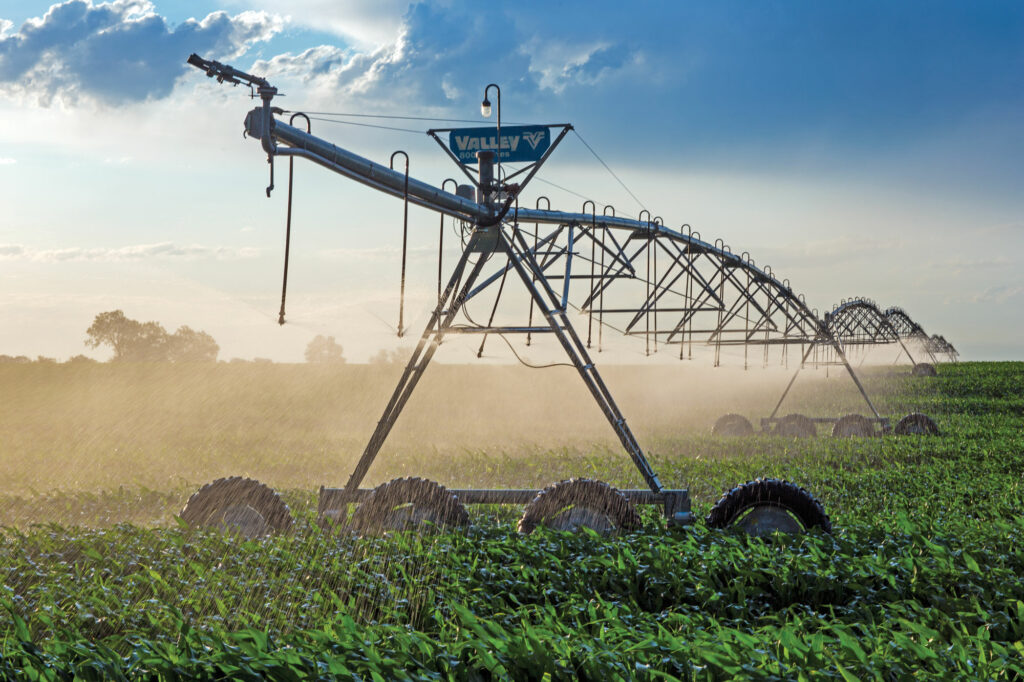
In the ever-evolving field of agriculture and landscape management, the integration of technology has become a cornerstone of efficiency and sustainability. Remote irrigation controllers stand at the forefront of these advancements, offering a sophisticated solution to the time-consuming task of watering. These devices not only enhance precision in water usage but also provide a significant boost to the overall management of irrigation systems. By automating the process, they relieve the burden of manual monitoring and adjustment, allowing for smarter resource management and healthier plant growth.
The Advantages of Remote Irrigation Controllers
Remote irrigation controllers bring a multitude of benefits that enhance the management of water resources. Here are some key advantages:
- Efficiency and Convenience: Automation reduces the need for constant human intervention, freeing up valuable time and resources.
- Precision Watering: Tailored irrigation schedules can be set based on plant requirements and weather conditions, ensuring optimal water usage.
- Cost Savings: By minimizing water waste, these controllers can significantly lower utility bills.
- Scalability: Suitable for both small-scale gardens and large agricultural fields, accommodating diverse needs.
- Environmental Benefits: Reduces water wastage, promoting sustainability and conservation.
How Remote Irrigation Controllers Work
These devices function by connecting to your irrigation system and allowing for control via a smartphone, tablet, or computer. Here’s a brief overview of their operation:
Integration with Existing Systems
Remote controllers can be seamlessly integrated with existing irrigation setups without the need for extensive modifications. This compatibility ensures that users can upgrade their systems with minimal disruption.
Smart Scheduling and Sensors
Equipped with smart technology, these controllers utilize weather forecasts and soil moisture sensors to adjust watering schedules automatically. This ensures plants receive the right amount of water at the right time. Discover expert strategies here.
Choosing the Right Controller
Selecting the appropriate remote irrigation controller depends on several factors:
- System Compatibility: Ensure the controller is compatible with your existing irrigation system.
- Features and Functionality: Look for features like weather-based scheduling and remote access.
- User Interface: A user-friendly interface is crucial for seamless operation.
- Budget: Consider your budget while balancing the need for advanced features.
For more detailed guidance, explore advanced guides and tips on remote irrigation controllers.
Implementation and Maintenance
Implementing a remote irrigation controller involves initial setup and occasional maintenance to ensure optimal performance.
Installation
Most units come with straightforward installation instructions. However, professional installation might be advisable for complex systems to ensure proper setup. Learn about our tailored solutions for installation and setup.
Regular Updates and Monitoring
Keeping the controller’s software up-to-date is crucial for maintaining its efficiency and functionality. Regular monitoring and adjustments based on plant growth and weather changes will maximize benefits. Find out more about this approach to maintaining your irrigation controller.
In conclusion, remote irrigation controllers represent a significant leap forward in the management of watering tasks. They provide a modern, efficient, and environmentally friendly solution that caters to the varying needs of both amateur gardeners and professional farmers. By adopting these advanced systems, one can ensure a healthier landscape while contributing positively to water conservation efforts.
