
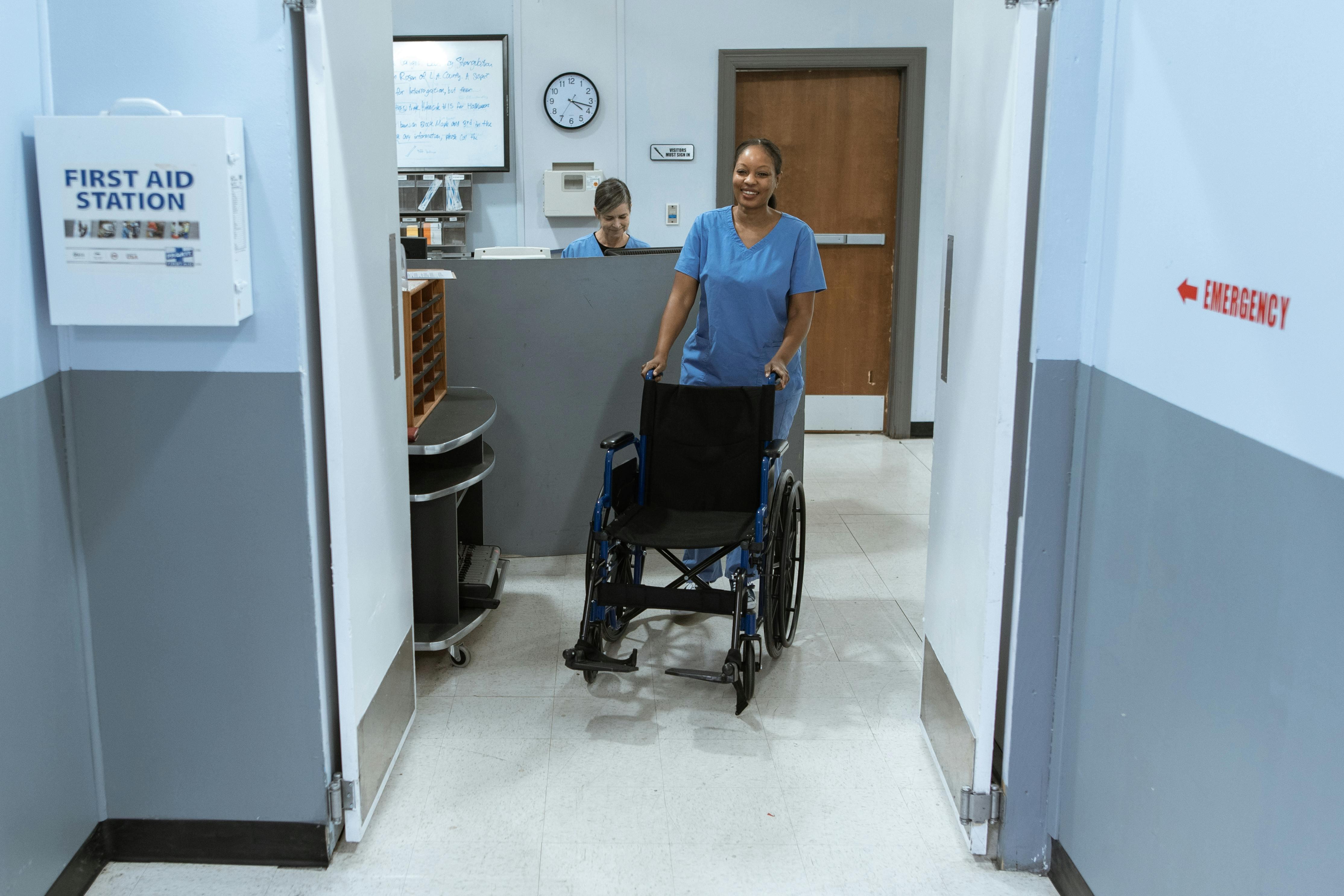
In today?s healthcare landscape, the role of licensed medical technicians has become increasingly crucial. These professionals are integral to ensuring the smooth operation of medical facilities and the delivery of high-quality patient care. Licensed medical technicians are trained to perform a wide array of tasks that support doctors and nurses in their daily routines. From conducting lab tests to managing patient data, their expertise is critical to the efficiency and effectiveness of healthcare services.
The Role of Licensed Medical Technicians
Licensed medical technicians work in various settings, including hospitals, clinics, and laboratories. Their responsibilities are diverse and can include:
- Conducting laboratory tests and analyzing results.
- Assisting in patient examinations and procedures.
- Maintaining and operating medical equipment.
- Collecting and preparing specimens for analysis.
- Recording and managing patient data accurately.
These tasks are essential for diagnosing and treating patients effectively. For those interested in discovering expert strategies to improve healthcare efficiency, find out more about this approach.
Skills and Qualifications
To excel as a licensed medical technician, certain skills and qualifications are necessary. These include:
- Strong attention to detail and precision.
- Excellent organizational skills.
- Proficiency in using specialized medical equipment and technology.
- Good communication skills for interacting with healthcare professionals and patients.
- A solid understanding of medical terminology and procedures.
Medical technicians usually hold an associate’s degree or a postsecondary certificate from an accredited program. Certification and licensure requirements vary by state and specialty, underscoring the importance of advanced education and training. For those seeking to enhance their knowledge, explore advanced guides and tips available for medical professionals.
Impact on Patient Care
Enhancing Diagnostic Accuracy
The precise work of medical technicians directly impacts the accuracy of medical diagnoses. By conducting thorough tests and analyses, they provide essential data that informs treatment decisions. This level of precision helps prevent misdiagnoses and ensures patients receive appropriate care promptly. For healthcare providers looking to optimize diagnostic processes, learn about our tailored solutions to streamline operations.
Improving Efficiency in Healthcare Facilities
Licensed medical technicians play a pivotal role in enhancing the operational efficiency of healthcare facilities. By handling routine tasks and technical procedures, they allow doctors and nurses to focus more on patient care. This collaboration fosters a more efficient healthcare environment, ultimately improving patient outcomes. To discover how to implement such efficiencies, discover expert strategies here.
Challenges and Future Outlook
Despite their vital role, medical technicians face several challenges, including high workload demands and the need for continuous education to keep up with technological advancements. Additionally, the healthcare industry?s rapid evolution necessitates adaptability and ongoing professional development.
Looking ahead, the demand for skilled medical technicians is expected to grow as healthcare services expand and technology continues to evolve. This provides opportunities for those in the field to specialize and advance their careers. For those interested in the future of medical technology and its impact on healthcare, find out more about this approach.
In conclusion, licensed medical technicians are indispensable to the healthcare system, ensuring that medical facilities operate efficiently and that patients receive the best possible care. Their expertise and dedication to their craft reflect a commitment to excellence that is vital for the success of the healthcare industry.
