
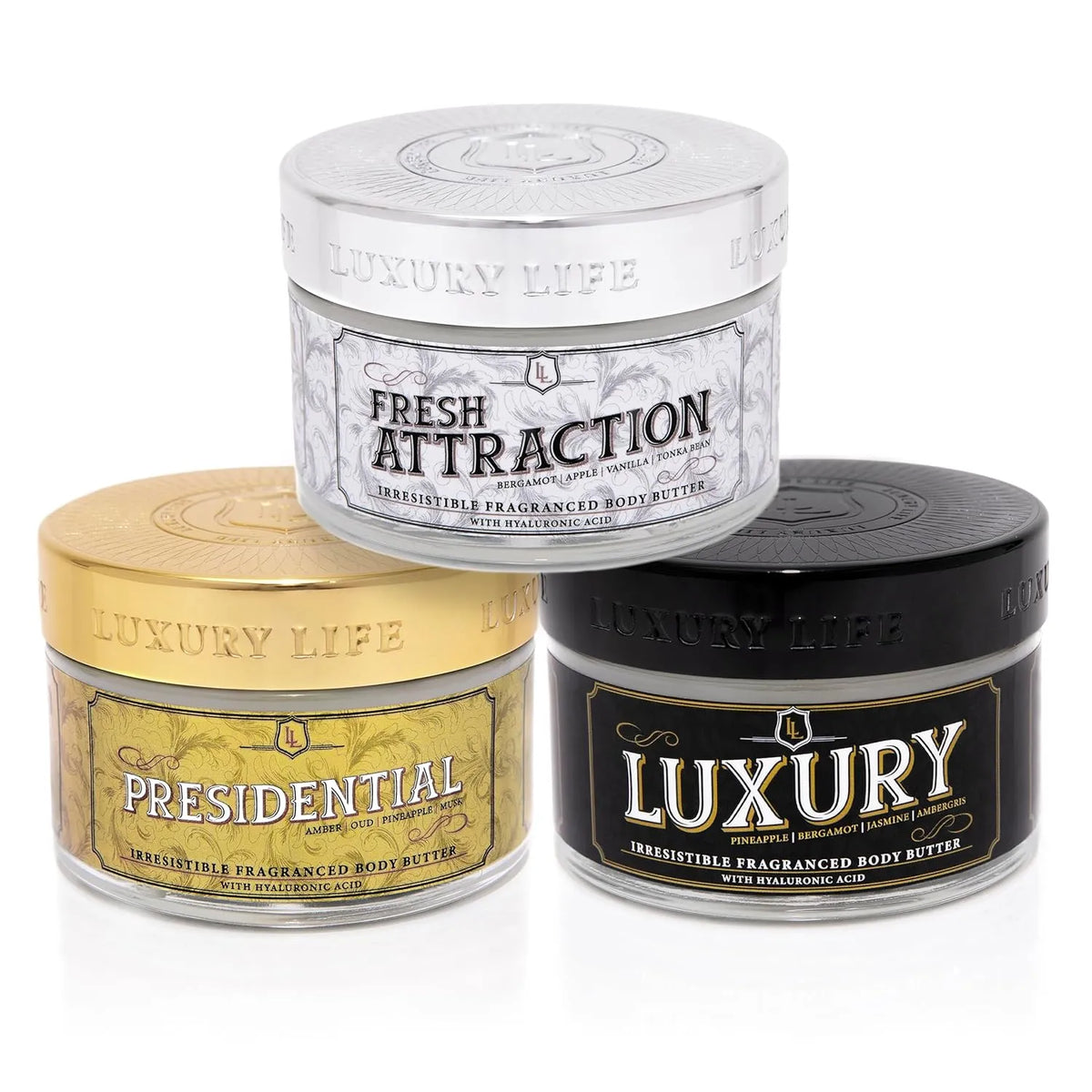
Finding a good body butter can make a noticeable difference in how your skin feels and looks. Unlike lightweight lotions, body butters usually have a richer, creamier texture that helps provide intensive moisture to dry and rough skin. They are particularly useful for areas such as the elbows, knees, hands, ankles, and heels that often need extra care.
With so many formulas and ingredients available, choosing the right body butter can sometimes feel overwhelming. Understanding what makes a body butter effective can help you select a product that fits your skin type, preferences, and daily skincare routine.
What Makes a Good Body Butter?
A good body butter should provide effective moisturization while leaving the skin feeling comfortable and conditioned. The texture should be rich enough to nourish dry skin without necessarily feeling excessively heavy or greasy.
Ingredients are one of the most important factors to consider. Common moisturizing ingredients include shea butter, cocoa butter, mango butter, coconut oil, jojoba oil, and vitamin E. Some formulas may also contain glycerin, aloe vera, or other skin-conditioning ingredients.
Rather than focusing on one particular ingredient, consider how the complete formula works together. A well-formulated body butter can help soften the skin, improve its texture, and support a comfortable moisture barrier.
Benefits of Using a Good Body Butter
Adding body butter to your skincare routine can offer several benefits, especially when your skin frequently feels dry or rough.
Helps Moisturize Dry Skin
Dry skin can feel tight, flaky, rough, or uncomfortable. A rich body butter can help replenish moisture and provide a protective layer that reduces the feeling of dryness.
Softens Rough Areas
Certain areas of the body naturally become rougher than others. Regular application can help soften areas such as elbows, knees, heels, and ankles, leaving them feeling smoother.
Supports the Skin Barrier
The skin barrier helps protect the skin from environmental factors and excessive moisture loss. Emollient-rich body care products can help condition the skin and support a healthier-feeling barrier.
Provides Rich, Long-Lasting Hydration
Because body butter generally contains a richer combination of oils and butters than lightweight lotions, it can provide a more substantial moisturizing experience. This can be especially helpful during dry or colder weather.
Key Ingredients to Look for in Body Butter
The ingredient list can tell you a lot about how a body butter may perform. Several commonly used ingredients are worth considering when choosing a formula.
Shea Butter
Shea butter is widely used in moisturizing skincare products because of its rich texture and skin-conditioning properties. It can help leave dry skin feeling soft and smooth.
Cocoa Butter
Cocoa butter is another popular ingredient in body care products. Its rich consistency makes it suitable for formulas designed to provide intensive moisture and conditioning.
Mango Butter
Mango butter has a smooth texture and is commonly included in body moisturizers. It can contribute to a creamy formula that helps soften and condition the skin.
Plant-Based Oils
Oils such as jojoba, coconut, almond, and sunflower oil can contribute emollient properties to body butter. They can help improve the skin’s softness and overall feel.
Glycerin and Other Moisturizing Ingredients
Glycerin is a humectant commonly used in skincare. Humectants help attract water to the skin, making them useful components of moisturizing formulas.
How to Choose the Best Body Butter for Your Skin
The best body butter for one person may not be the best choice for another. Your skin type and personal preferences should influence your selection.
If your skin is particularly dry, you may prefer a rich formula containing several moisturizing butters and oils. For normal skin, a lighter body butter may provide enough hydration without feeling too heavy.
If you have sensitive skin, consider a formula with a simple ingredient list and avoid ingredients that you already know irritate your skin. Fragrance-free options may also be preferable if your skin tends to react to fragranced products.
Texture is another important consideration. Some body butters are thick and rich, while others have a softer consistency that spreads and absorbs more easily.
Body Butter vs. Body Lotion
Body butter and body lotion both moisturize the skin, but they differ in texture and formulation.
Body lotion is generally lighter and may spread quickly across larger areas of the body. It can be convenient for everyday use, particularly when you prefer a fast-absorbing product.
Body butter typically has a thicker consistency and provides a richer moisturizing experience. It can be particularly useful for dry areas or during seasons when the skin needs additional conditioning.
You do not necessarily have to choose one over the other. Some people use lotion for everyday moisturizing and body butter on areas that require more intensive care.
How to Apply Body Butter Properly
Using body butter correctly can help you get more from your skincare routine. One of the best times to apply it is after a shower or bath, when the skin is clean and slightly damp.
Gently pat your skin dry and take a small amount of body butter. Massage it into the skin using gentle circular motions until it is evenly distributed. Pay particular attention to areas that tend to become dry, such as the knees, elbows, hands, and heels.
Avoid applying an unnecessarily thick layer. A moderate amount is usually enough to cover the skin comfortably while allowing the product to absorb.
When Should You Use Body Butter?
Body butter can be incorporated into your routine whenever your skin needs additional moisture. Many people prefer using it after their evening shower as part of their nighttime skincare routine.
It can also be helpful during colder or drier seasons when environmental conditions can leave the skin feeling rough or tight. Consistent use is generally more useful than applying a large amount only when dryness becomes noticeable.
How to Make Body Butter Part of Your Skincare Routine
A good body care routine does not need to be complicated. Start with a gentle cleanser, avoid excessively hot water, and apply body moisturizer regularly.
Using body butter consistently can help maintain soft and comfortable skin. You can also focus on areas that need additional moisture rather than applying a large amount everywhere.
Pay attention to how your skin responds to the product. If a formula causes persistent irritation, discomfort, or an unusual reaction, discontinue use and consider seeking advice from a qualified healthcare professional.
Conclusion
Choosing a good body butter is about finding a formula that provides the right balance of moisture, texture, ingredients, and comfort for your skin. Rich ingredients such as shea butter, cocoa butter, mango butter, and nourishing plant oils can make body butter a useful addition to a regular skincare routine.
Whether you have naturally dry skin or simply want to maintain a soft and smooth feel, consistent moisturizing can make body care more effective. By considering your skin type, checking the ingredient list, and applying body butter to slightly damp skin, you can create a simple routine that helps keep your skin feeling nourished and well-conditioned.
