
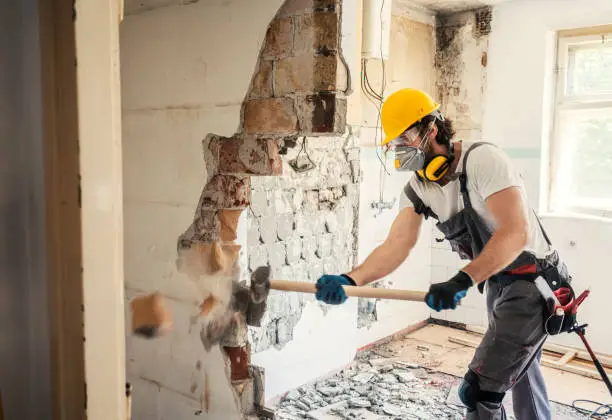
Renovating an old house can be an exhilarating yet challenging endeavor. It is a journey that requires a blend of creativity, patience, and strategic planning. Whether you’re breathing new life into a Victorian masterpiece or restoring a mid-century modern gem, the process calls for a thorough understanding of the building?s history, architecture, and potential. This guide aims to provide expert tips to ensure the success of your old house renovation, with insights into planning, budgeting, and executing your vision while preserving the charm and character that makes these homes special.
Thorough Planning is Key
Before embarking on a renovation project, meticulous planning is essential. Start by understanding the unique characteristics of your home and the scope of the renovation. Consider the following elements:
- Conduct a comprehensive assessment of the property?s current condition.
- Identify essential repairs versus cosmetic upgrades.
- Research historical significance and architectural style.
- Set realistic timelines and expectations.
For more comprehensive planning strategies, discover expert strategies here.
Budgeting Wisely
Renovations can quickly become costly, especially with older homes that might have hidden issues. To manage your budget effectively, consider:
- Prioritizing repairs and upgrades based on necessity.
- Allocating funds for unexpected problems, typically adding 15-20% to your budget.
- Seeking quotes from multiple contractors to ensure competitive pricing.
- Exploring financial assistance options, such as grants for historical preservation.
To learn about tailored solutions that can help manage renovation costs, learn about our tailored solutions.
Choosing the Right Professionals
Architects and Designers
Engaging experienced architects and designers is crucial for maintaining the integrity of the original design while incorporating modern amenities. Look for professionals with a proven track record in historical renovations.
Contractors
Selecting the right contractor is vital for a smooth renovation process. Check their experience with older homes and verify references. A good contractor will understand the unique challenges such as outdated wiring, lead paint, or structural issues.
For more guidance on selecting professionals, explore advanced guides and tips.
Preservation and Sustainability
While updating an old house, preserving its historical character should be a priority. At the same time, integrating sustainable practices can enhance the home’s efficiency and longevity:
- Reuse original materials where possible to maintain authenticity.
- Incorporate energy-efficient systems and insulation to reduce environmental impact.
- Use eco-friendly materials and finishes.
- Consider smart home technologies that blend seamlessly with historic features.
Find out more about this approach here.
Navigating Legal and Zoning Requirements
Older homes often come with stringent legal and zoning regulations. Ensure compliance by:
- Researching local building codes and historical preservation laws.
- Securing necessary permits before starting any work.
- Engaging with local preservation societies for advice and support.
Understanding these legal frameworks can prevent costly delays and fines. Explore advanced guides and tips for navigating these requirements effectively.
Conclusion
Renovating an old house is more than a construction project; it is a labor of love that honors the past while creating a home for the future. By planning meticulously, budgeting wisely, choosing the right professionals, and adhering to preservation principles, the charm and character of an old home can be preserved and enhanced. This journey requires dedication and expertise, and with the right approach, it can be incredibly rewarding. Discover expert strategies here for more detailed assistance in achieving renovation success.
