
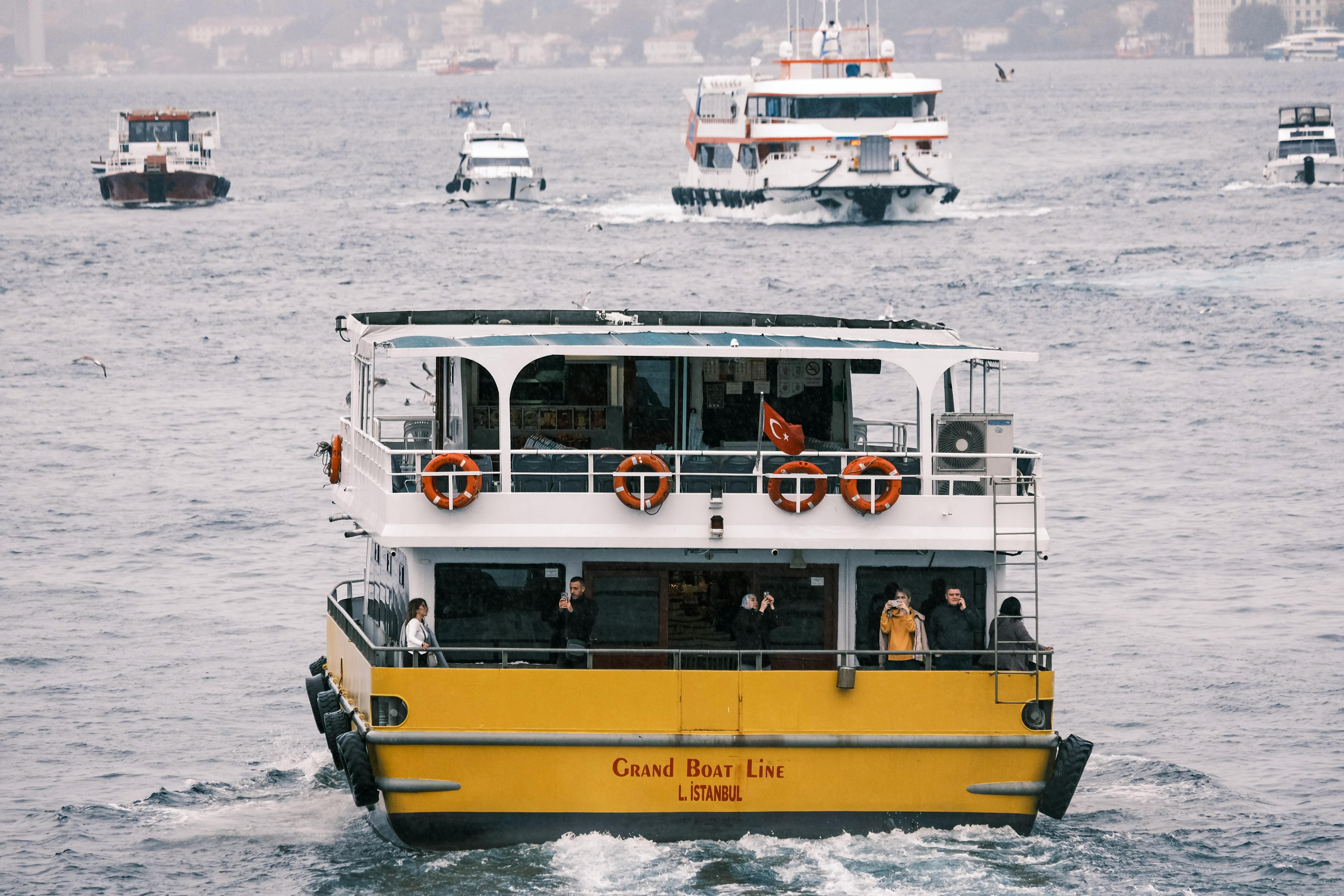
In the complex realm of maritime operations, the role of a commercial marine surveyor is paramount. These skilled professionals are pivotal in assessing the condition and value of maritime vessels and structures, ensuring compliance with maritime regulations, and safeguarding the investments of ship owners and operators. Their expertise is crucial in maintaining the safety, efficiency, and profitability of maritime ventures. As the maritime industry evolves, staying abreast of technological advancements and regulatory changes is vital for marine surveyors, making their role ever more indispensable.
The Role of a Commercial Marine Surveyor
A commercial marine surveyor is tasked with a broad array of responsibilities, all centered around ensuring the seaworthiness of vessels and the safety of maritime operations. Their duties include:
- Conducting thorough inspections of vessels to assess their condition and identify any necessary repairs or improvements.
- Evaluating compliance with international safety and environmental regulations.
- Providing expert advice on the purchase, sale, or insurance of maritime assets.
- Advising on risk management and loss prevention strategies to enhance safety and operational efficiency.
These professionals utilize their extensive knowledge of maritime laws, ship construction, and marine engineering to provide invaluable insights. Discover expert strategies here.
Why Expertise Matters
The intricate nature of marine surveying requires a deep understanding of various disciplines, including engineering, navigation, and environmental science. Experienced marine surveyors bring a wealth of expertise to the table, ensuring that every assessment is comprehensive and accurate. This expertise is vital for:
- Identifying potential safety hazards that could jeopardize crew and cargo.
- Ensuring compliance with stringent maritime regulations, thus avoiding costly fines and legal issues.
- Providing reliable valuations for insurance and financial purposes.
For more details on the importance of expertise in this field, learn about our tailored solutions.
Technological Advancements in Marine Surveying
With the advent of modern technology, the field of marine surveying has witnessed significant advancements. These innovations have enhanced the accuracy and efficiency of surveys, leading to better outcomes for stakeholders. Key technological advancements include:
- Use of drones for aerial inspections, providing a comprehensive view of vessel conditions.
- Implementation of 3D imaging and scanning technologies for in-depth analysis.
- Integration of advanced software for data analysis and reporting.
To explore advanced guides and tips on utilizing technology in marine surveying, explore advanced guides and tips.
Challenges Faced by Marine Surveyors
Despite the advancements, marine surveyors often face challenges that require adept problem-solving and adaptive strategies. Some of these challenges include:
- Dealing with diverse and often unpredictable environmental conditions.
- Navigating complex international regulations and standards.
- Ensuring comprehensive risk assessment in dynamic maritime environments.
For insights on overcoming these challenges, find out more about this approach.
The Future of Marine Surveying
As the maritime industry continues to grow and evolve, so too will the field of marine surveying. Future trends indicate a move towards greater sustainability, the adoption of greener technologies, and the increasing importance of cybersecurity in vessel operations. Marine surveyors will need to continuously update their skills and knowledge to keep pace with these changes. By doing so, they will continue to play a crucial role in ensuring the safety and success of maritime operations.
For more information on the future trends and developments in marine surveying, visit this comprehensive resource.
