
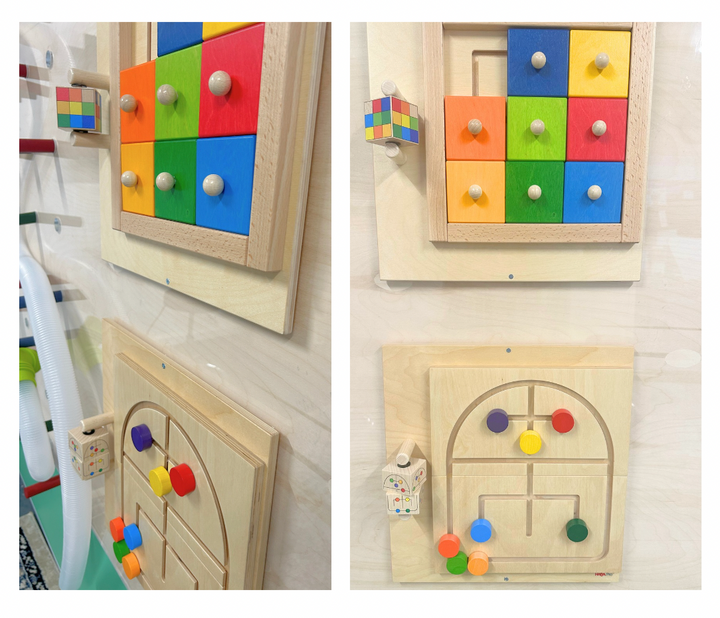
In educational settings, creating an environment conducive to learning is crucial for fostering student engagement and development. Sensory wall panels are emerging as an innovative solution to enhance these spaces, offering tactile and visual stimulation that supports diverse learning needs. These panels are not only beneficial for children with sensory processing challenges but also for all learners who can gain from a more interactive and stimulating educational environment. By integrating sensory wall panels, educators can create a dynamic atmosphere that encourages exploration, focus, and creativity.
Understanding Sensory Wall Panels
Sensory wall panels are designed to provide a multi-sensory experience through textures, colors, and interactive elements. These panels are typically used in classrooms, therapy rooms, and other educational settings to help stimulate the senses and enhance cognitive development. The panels can be customized to meet specific needs, offering a versatile tool for educators.
- Provide tactile stimulation through varied textures.
- Encourage visual engagement with vibrant colors and patterns.
- Incorporate interactive elements to promote motor skills development.
For those interested in exploring tailored design options, learn about our tailored solutions to meet specific educational goals.
Benefits of Integrating Sensory Panels in Learning Environments
Enhanced Student Engagement
Sensory wall panels can significantly enhance student engagement by providing a stimulating environment that encourages active participation. These panels invite students to explore and interact with their surroundings, making learning a more dynamic experience. This type of engagement is particularly beneficial in early childhood education and special education settings.
Improved Focus and Attention
By incorporating sensory elements, students may experience improved focus and attention. The tactile and visual stimuli can help anchor students’ attention, making it easier for them to concentrate on tasks. This is especially useful in environments where students may struggle with attention disorders. Find out more about this approach to supporting student focus.
Support for Sensory Processing Needs
Sensory wall panels are particularly beneficial for students with sensory processing needs, providing a controlled environment where they can safely interact with sensory stimuli. This tailored approach can lead to significant improvements in their ability to process sensory information. Discover expert strategies here for integrating sensory solutions in educational settings.
Implementing Sensory Wall Panels
Successful implementation of sensory wall panels requires careful planning and consideration of the specific needs of the learning environment. When selecting and installing panels, it is important to consider:
- The age and developmental stage of the students.
- The specific sensory needs and preferences of the students.
- The overall educational goals and curriculum requirements.
Explore advanced guides and tips for integrating these panels effectively within different educational contexts.
Conclusion
Sensory wall panels offer a unique and effective way to enhance learning environments. By providing tactile and visual stimulation, they support a range of educational objectives and cater to diverse learning needs. With the right approach, these panels can transform educational spaces into vibrant and engaging learning environments, promoting better engagement, focus, and sensory development. As educators seek to create more inclusive and stimulating learning environments, sensory wall panels represent a valuable tool in achieving these goals.
