
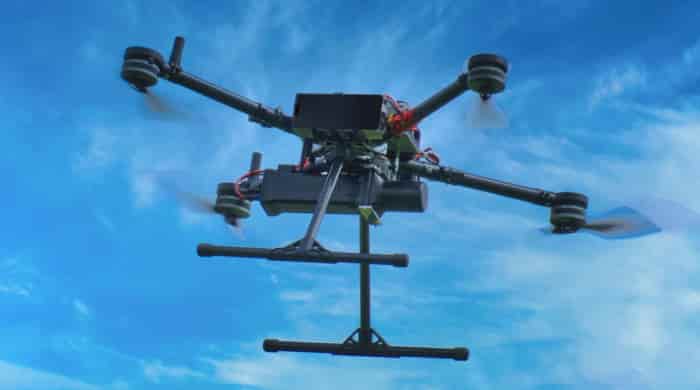
In recent years, the integration of drone technology into radiation monitoring has revolutionized the way environments are assessed and managed. This advancement offers unprecedented efficiency and accuracy, reducing the need for human exposure to hazardous areas. By leveraging cutting-edge technology, drones equipped with radiation detection systems provide a dynamic solution that enhances safety and operational effectiveness. These autonomous devices are transforming industries that require meticulous monitoring of radiation levels, from nuclear facilities to environmental assessments.
The Advantages of Using Drone Technology for Radiation Monitoring
The deployment of drones for radiation monitoring offers numerous advantages over traditional methods. These benefits underscore the importance of embracing advanced technological solutions to enhance safety and efficiency.
- Increased Safety: Drones minimize human exposure to dangerous levels of radiation by conducting remote assessments.
- Enhanced Accessibility: Difficult-to-reach areas can be monitored effectively, providing comprehensive data collection in environments that are otherwise challenging to access.
- Cost-Effectiveness: By reducing the need for extensive manpower and protective equipment, drones offer a more economical approach to radiation monitoring.
- Real-Time Data: Drones are equipped with advanced sensors that deliver immediate data, enabling prompt decision-making and response strategies.
Applications Across Industries
Drone technology is being utilized across a range of industries, illustrating its versatility and impact. These applications highlight the broad scope of drone technology in radiation monitoring and the potential for further innovation.
Nuclear Facilities
In nuclear facilities, drones are employed to monitor radiation levels, ensuring that environments comply with safety regulations and standards. This application supports operational efficiency and enhances safety protocols. Discover expert strategies here.
Environmental Monitoring
Drones play a crucial role in assessing environmental radiation levels, particularly in areas affected by nuclear incidents or natural radioactivity. This capability is essential for environmental protection agencies and research institutions. Learn about our tailored solutions.
Disaster Response
In the aftermath of nuclear accidents, drones provide rapid assessment and mapping of affected areas, enabling efficient disaster response and mitigation efforts. This application not only facilitates immediate action but also supports long-term recovery strategies. Explore advanced guides and tips.
Innovative Features of Drone Radiation Detection Systems
The integration of innovative features in drone radiation detection systems sets them apart from conventional methods. These features ensure precise and reliable monitoring, enhancing the overall effectiveness of operations.
- Advanced Sensors: Equipped with state-of-the-art sensors, drones can detect a wide range of radiation types, providing comprehensive analysis and reporting.
- Autonomous Navigation: Drones can autonomously navigate complex environments, ensuring thorough data collection without human intervention.
- Dynamic Data Analysis: The capability to process and analyze data in real-time allows for immediate insights and strategic adjustments.
- Integration Capabilities: These systems can integrate with existing platforms and technologies, offering seamless integration into current operational frameworks.
Future Prospects and Developments
The future of drone-based radiation monitoring is marked by continuous advancements and potential. As technology evolves, so too will the capabilities of these systems, promising even greater accuracy and efficiency.
Emerging technologies such as artificial intelligence and machine learning are expected to further enhance the analytical capabilities of drones, allowing for predictive modeling and enhanced decision-making processes. The potential for innovation in this field is immense, and ongoing research and development are poised to unlock new possibilities. Find out more about this approach.
In conclusion, the integration of drone technology into radiation monitoring represents a significant leap forward in safety, efficiency, and data accuracy. As this technology continues to evolve, its applications and benefits are expected to expand, offering new solutions to complex challenges in radiation monitoring and beyond.
