
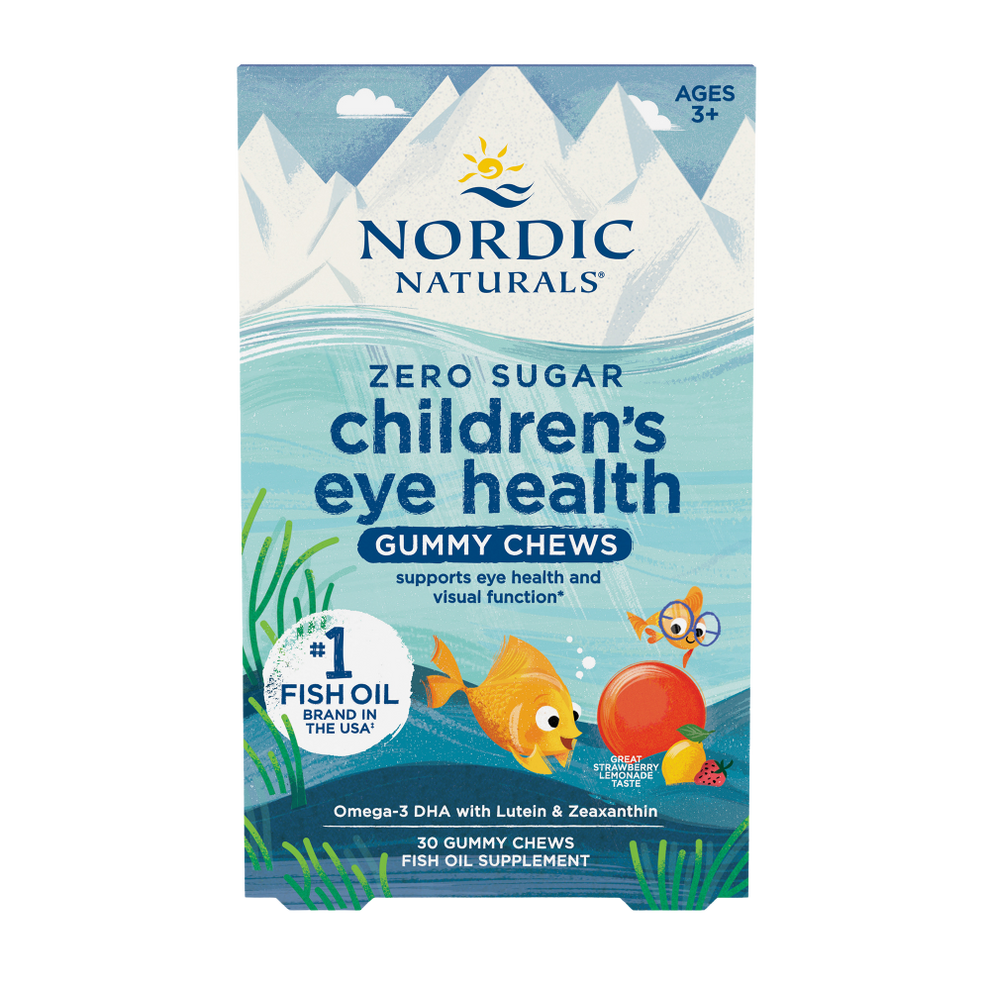
Parents often face a flood of information when deciding whether to give their children a multivitamin. Marketing claims, anecdotal advice, and well-meaning relatives can create confusion, leading to myths that persist for years. Understanding the science behind pediatric multivitamins helps separate fact from fiction, ensuring children receive the nutrients they truly need without unnecessary supplementation. This article examines the most common misconceptions, presents evidence-based facts, and offers practical guidance for making informed choices.
Myth #1: All Children Need a Daily Multivitamin
It’s easy to assume that a daily pill is a safety net for every child, but the reality is more nuanced.
Fact
Most healthy children who eat a balanced diet obtain sufficient vitamins and minerals from food alone. The National Health Service (NHS) and the American Academy of Pediatrics recommend supplementation only when a specific deficiency is identified or when dietary restrictions limit nutrient intake.
- Whole foods provide synergistic nutrients that are better absorbed than isolated compounds.
- Excess supplementation can lead to hypervitaminosis, especially with fat-soluble vitamins A, D, E, and K.
- Targeted supplementation (e.g., vitamin D in winter months) is more effective than a blanket multivitamin approach.
For families seeking a reliable source of kid-friendly vitamins, Discover expert strategies here offers a curated selection that aligns with nutritional guidelines.
Myth #2: Natural Means Safe and Effective
The word “natural” is frequently used in marketing, but it does not guarantee safety or efficacy for children.
Fact
Natural ingredients can still be potent, interact with medications, or cause allergic reactions. The safety profile depends on dosage, purity, and the child’s individual health status.
- Some herbal extracts can interfere with blood clotting or hormone balance.
- Even vitamins derived from natural sources are subject to the same upper intake limits as synthetic ones.
- Third-party testing and transparent labeling are critical for ensuring product quality.
Parents interested in scientifically backed formulations can Learn about our tailored solutions, which prioritize clinically validated ingredients.
Myth #3: More Vitamins = Better Health
There is a common belief that higher doses will boost immunity, growth, or academic performance.
Fact
Vitamins follow a bell-shaped dose-response curve: both deficiency and excess can be harmful. The body regulates absorption, and surplus amounts are often excreted or stored in ways that may become toxic.
- Vitamin A toxicity can cause liver damage and bone abnormalities.
- Excess iron may lead to gastrointestinal distress and, in severe cases, organ damage.
- Balanced formulations adhere to Recommended Dietary Allowances (RDAs) for each age group.
For evidence-based dosing recommendations, Explore advanced guides and tips that outline age-specific nutrient needs.
Myth 4: Multivitamins Can Replace a Healthy Diet
Some parents view supplements as a shortcut to good nutrition, especially during busy weeks.
Fact
Supplements are designed to fill gaps, not to substitute whole foods. Whole foods provide fiber, phytonutrients, and bioactive compounds that pills cannot replicate.
- Fruit, vegetables, whole grains, and lean proteins deliver a spectrum of nutrients in optimal ratios.
- Meal planning and family meals encourage healthy eating habits that last a lifetime.
- Supplement use should be paired with education about balanced nutrition.
When looking for complementary products that respect this principle, Find out more about this approach and see how the selections are formulated to support, not replace, a varied diet.
Myth 5: All Multivitamins Are Created Equal
Brands differ widely in ingredient quality, bioavailability, and manufacturing standards.
Fact
Key factors to evaluate include:
- Formulation: Chewable tablets, gummies, or powders each have distinct absorption profiles.
- Bioavailability: Certain forms (e.g., methylcobalamin for B12) are more readily utilized by the body.
- Third-party certification: Look for GMP compliance, ISO certification, or independent lab testing.
Choosing a reputable source simplifies these decisions. The collection at Discover expert strategies here undergoes rigorous quality checks to meet pediatric standards.
Practical Guidance for Parents
To navigate the multivitamin landscape responsibly, consider the following steps:
- Assess dietary intake: Keep a brief food diary for a week to identify potential gaps.
- Consult a healthcare professional: A pediatrician can order blood tests if a deficiency is suspected.
- Choose age-appropriate formulations: Dosages differ markedly between toddlers and pre-teens.
- Read labels carefully: Verify the presence of essential nutrients and the absence of unnecessary additives.
- Monitor for side effects: Watch for digestive changes, skin reactions, or changes in behavior after starting a supplement.
Conclusion
Multivitamins for kids can be a valuable tool when used thoughtfully, but they are not a universal solution. By debunking common myths, such as the need for universal supplementation, the safety of “natural” claims, and the idea that more is always better, parents can make evidence-based decisions that support their children’s health without overreliance on pills. Leveraging reputable resources, professional guidance, and quality-tested products ensures that supplementation complements a wholesome diet and promotes optimal growth and development.
