
Regular physical activity is one of the most powerful, evidence-based tools for maintaining a healthy cardiovascular system. When the heart and blood vessels receive consistent, moderate-to-vigorous exercise, they adapt in ways that improve blood flow, lower resting heart rate, and enhance the body’s ability to manage stress hormones. Beyond the heart itself, exercise influences metabolic health, weight management, and mental well-being, creating a holistic foundation for long-term vitality. Understanding how movement translates into measurable health benefits helps individuals make informed choices about the type, frequency, and intensity of activity that best supports their unique physiology.
Physiological Changes That Occur With Regular Exercise
Cardiac Remodeling
- Increased stroke volume: The heart pumps more blood per beat, reducing the need for a high resting heart rate.
- Stronger myocardial walls: Regular aerobic work thickens the left ventricle, improving contractile efficiency.
- Improved electrical stability: Exercise reduces the risk of arrhythmias by promoting balanced autonomic tone.
Vascular Adaptations
- Enhanced endothelial function: Shear stress from blood flow stimulates nitric oxide production, keeping arteries flexible.
- Reduced arterial stiffness: Consistent activity lowers systolic blood pressure and mitigates age-related hardening of vessels.
- Better capillary density: New micro-vessels form in active muscles, facilitating oxygen delivery and waste removal.
Metabolic Benefits
- Improved lipid profile: Exercise raises HDL (“good”) cholesterol and lowers triglycerides.
- Enhanced insulin sensitivity: Muscles become more efficient at glucose uptake, decreasing the risk of type”?2 diabetes.
- Weight regulation: Caloric expenditure combined with muscle preservation supports healthy body composition.
Types of Exercise That Optimize Cardiovascular Health
Different modalities target specific aspects of heart and vessel function. Selecting a balanced mix ensures comprehensive support.
- Aerobic training: Activities such as brisk walking, jogging, cycling, and swimming elevate heart rate for sustained periods, directly improving endurance and vascular elasticity.
- High-Intensity Interval Training (HIIT): Short bursts of maximal effort followed by recovery periods boost VO??? max and stimulate rapid improvements in blood pressure regulation.
- Resistance training: Weight-lifting or body-weight circuits increase muscular strength, which indirectly reduces cardiac workload by improving overall functional capacity.
- Flexibility and mobility work: Yoga, dynamic stretching, and Pilates enhance circulation, reduce stress hormones, and support recovery.
Designing a Sustainable Exercise Routine
Consistency outweighs intensity for long-term cardiovascular benefit. The following framework can serve as a practical guide.
Frequency
- Aim for 150 minutes of moderate-intensity aerobic activity or 75 minutes of vigorous activity per week, as recommended by major health organizations.
- Incorporate 2-3 resistance sessions weekly, focusing on major muscle groups.
Intensity
- Use the “talk test” for moderate effort: you can speak in short sentences but not sing.
- For vigorous work, aim for 70-85% of maximum heart rate (220 minus age).
Progression
- Increase duration by 10% each week until goals are reached.
- Gradually add resistance or interval repetitions to avoid plateaus.
Nutrition and Supplementation Supporting Cardiovascular Exercise
While exercise drives physiological adaptation, targeted nutrition amplifies those gains. Antioxidant-rich foods, omega-3 fatty acids, and specific micronutrients help protect blood vessels from oxidative stress and support heart muscle recovery.
- Omega-3 fatty acids: Found in fatty fish, flaxseed, and walnuts, they lower triglycerides and improve endothelial function.
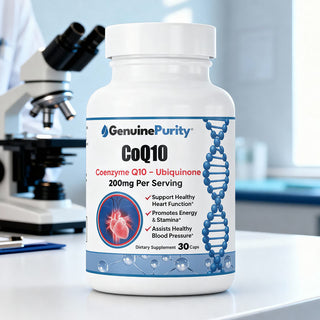
- Coenzyme Q10 (CoQ10): A natural antioxidant that supports mitochondrial energy production, especially beneficial for individuals on statin therapy.
- Magnesium and potassium: Essential for maintaining normal blood pressure and proper muscle contraction.
For a curated selection of heart-supporting supplements, Discover expert strategies here. The collection aligns with evidence-based recommendations and offers formulations designed to complement an active lifestyle.
Monitoring Progress and Staying Motivated
Objective tracking reinforces habit formation and highlights improvements that may not be immediately visible.
- Heart rate monitors: Wearable devices provide real-time feedback on intensity and recovery.
- Fitness apps: Log workouts, set goals, and review trends over weeks or months.
- Regular health checks: Blood pressure, lipid panels, and resting heart rate measurements offer clinical validation of progress.
When seeking deeper insight into personalized exercise plans, Learn about our tailored solutions. Professional guidance can fine-tune programming to match individual health status and performance goals.
Common Barriers and Practical Solutions
- Time constraints: Break activity into 10-minute blocks throughout the day; even short walks accumulate benefits.
- Joint discomfort: Opt for low-impact options like swimming or elliptical training to reduce stress on knees and hips.
- Lack of motivation: Pair exercise with enjoyable activities, listen to podcasts, join group classes, or set up friendly challenges.
Conclusion
Exercise is a cornerstone of cardiovascular health, delivering measurable improvements in heart structure, vascular function, and metabolic balance. By integrating aerobic, interval, and resistance training into a consistent weekly schedule, individuals can lower blood pressure, improve cholesterol profiles, and enhance overall resilience against chronic disease. Pairing movement with heart-supportive nutrition and regular monitoring creates a synergistic effect that maximizes long-term benefits.
For those ready to deepen their understanding and access resources that align with these principles, Explore advanced guides and tips. The curated information and product offerings provide a practical bridge between scientific insight and everyday action, empowering a healthier, more active life.
