
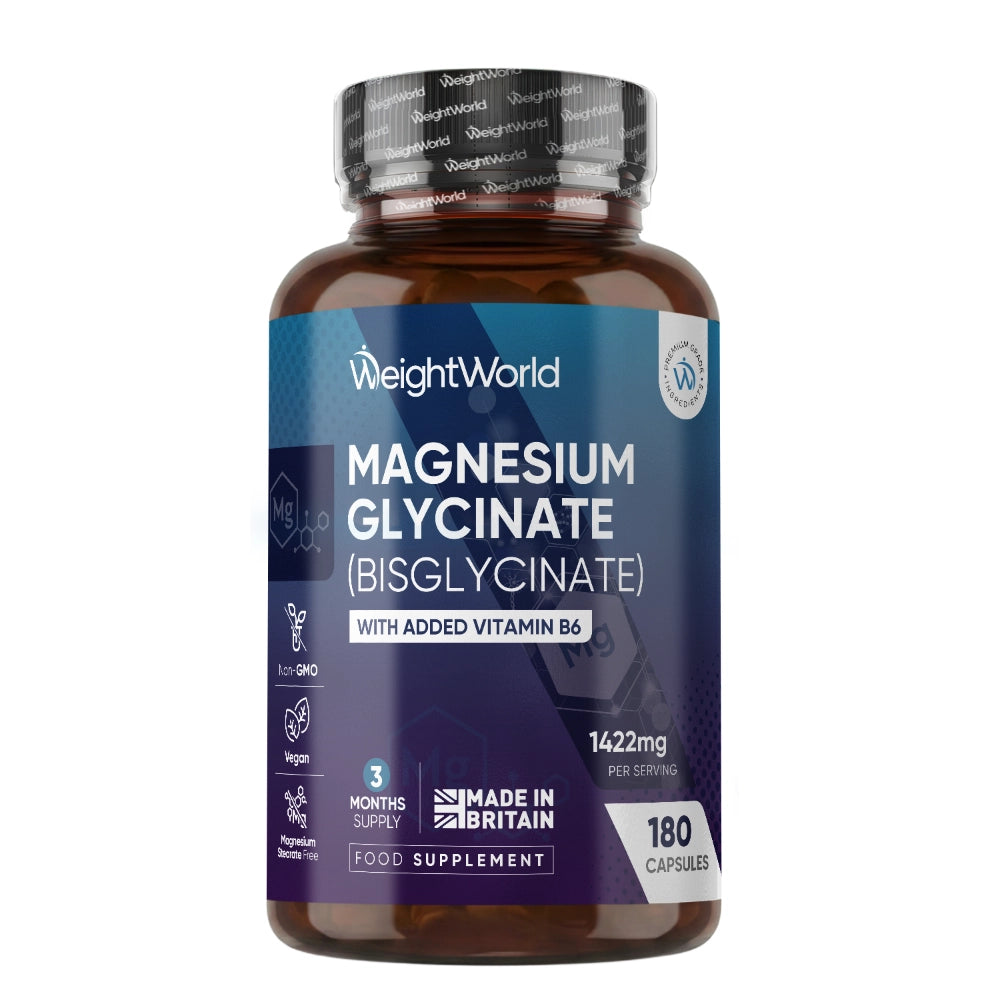
Magnesium glycinate capsules have become a popular choice for individuals seeking a reliable source of magnesium that is both gentle on the stomach and highly absorbable. As the market expands, selecting the optimal product can feel overwhelming. This guide breaks down the essential factors to consider, bioavailability, dosage, ingredient purity, and third-party testing, so that readers can make an informed decision based on scientific evidence and practical needs.
Understanding Magnesium Glycinate
Magnesium glycinate is a chelated form of magnesium bound to the amino acid glycine. This structure protects magnesium from competing minerals in the digestive tract, resulting in superior absorption compared to inorganic salts such as magnesium oxide. The glycine component also offers a calming effect on the nervous system, making this form especially suitable for those who experience stress, muscle tension, or sleep disturbances.
Key Benefits
- High bioavailability – up to 90% absorption rate.
- Reduced gastrointestinal side effects, such as diarrhea.
- Supports muscle relaxation, nerve function, and energy production.
- May improve sleep quality due to glycine’s calming properties.
Factors to Evaluate When Choosing a Capsule
1. Bioavailability and Formulation
Not all magnesium supplements are created equal. Look for products that explicitly state “magnesium glycinate” rather than “magnesium chelate” or “magnesium glycinate complex,” as the latter can contain additional salts that dilute the pure glycinate content.
2. Dosage per Capsule
Typical dosages range from 100″?mg to 400″?mg of elemental magnesium per capsule. Consider the following:
- Daily Recommended Intake (DRI) for adults: 310-420″?mg, depending on age and gender.
- Higher dosages may be needed for athletes or individuals with documented deficiencies.
- Split dosing (e.g., two capsules per day) can enhance absorption and minimize any residual digestive discomfort.
3. Purity of Ingredients
Premium products avoid unnecessary fillers, artificial colors, or allergens. Look for capsules that list only magnesium glycinate, a vegetable-based capsule shell, and possibly a small amount of anti-caking agent such as silica.
4. Third-Party Testing
Independent verification from organizations like USP, NSF, or Informed-Sport provides confidence that the label accurately reflects the contents and that the product is free from contaminants.
5. Manufacturing Standards
Good Manufacturing Practices (GMP) ensure consistent quality across batches. Brands that adhere to GMP are more likely to produce a stable, effective supplement.
How to Interpret Product Labels
When reviewing a bottle of magnesium glycinate capsules, focus on the following label details:
- Elemental magnesium amount: This is the actual magnesium you’ll absorb, not the total compound weight.
- Number of capsules per serving: Determines convenience and cost per dose.
- Additional ingredients: Identify any binders, flow agents, or allergens.
- Expiration date: Magnesium can oxidize over time; a fresh product retains potency.
Choosing the Right Dosage for Your Needs
Individual requirements vary based on lifestyle, diet, and health goals. Below is a quick reference chart to help align dosage with common objectives.
| Goal | Typical Daily Magnesium (elemental) | Suggested Capsule Count (200″?mg per capsule) |
|---|---|---|
| General health maintenance | 300-350″?mg | 1-2 capsules |
| Active athletes / high stress | 400-500″?mg | 2-3 capsules |
| Sleep support (evening dose) | 200-250″?mg | 1 capsule before bed |
Potential Side Effects and Safety Considerations
While magnesium glycinate is well-tolerated, excessive intake can lead to mild side effects. Keep the following in mind:
- Very high doses (>600″?mg elemental magnesium) may cause loose stools or abdominal cramping.
- Individuals with kidney impairment should consult a healthcare professional before supplementing.
- Concurrent use of certain medications (e.g., bisphosphonates, antibiotics) may affect absorption; spacing doses by at least two hours is advisable.
Storage Tips to Preserve Potency
Proper storage extends shelf life and maintains efficacy:
- Store in a cool, dry place away from direct sunlight.
- Keep the lid tightly sealed to prevent moisture ingress.
- Avoid storing near strong odors, as capsules can absorb them over time.
Conclusion
Selecting the best magnesium glycinate capsules involves a balance of scientific understanding and practical assessment. Prioritize products that clearly state elemental magnesium content, use minimal and transparent ingredients, and have undergone third-party testing. By aligning dosage with personal health goals and adhering to proper storage practices, users can enjoy the full spectrum of benefits that high-quality magnesium glycinate offers, from muscle relaxation to improved sleep quality.
