
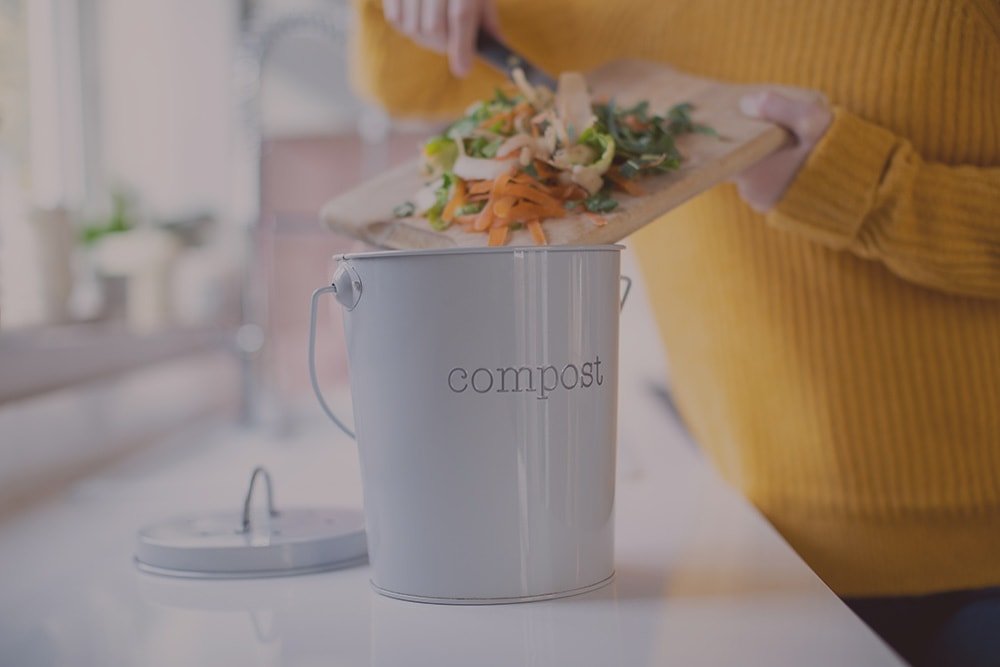
In recent years, the movement towards sustainability in the workplace has gained significant momentum. As companies across the globe strive to reduce their carbon footprint, office food compost services have emerged as an innovative solution to manage waste effectively. These services not only help reduce landfill contributions but also transform organic waste into valuable compost, contributing to a healthier planet.
Understanding Office Food Compost Services
Office food compost services are designed to manage and process organic waste generated within office environments. These services typically include the collection of food scraps, transportation to composting facilities, and the transformation of waste into nutrient-rich compost. This compost can then be used to enrich soils, promoting sustainable agricultural practices.
Key Benefits of Implementing Compost Services
- Environmental Impact: By diverting organic waste from landfills, compost services help reduce methane emissions, a potent greenhouse gas.
- Cost Efficiency: Reducing the volume of waste sent to landfills can lead to lower waste disposal costs.
- Corporate Responsibility: Implementing composting aligns with corporate social responsibility goals, showcasing a commitment to sustainability.
- Soil Health: Compost created from office waste can be used to improve soil quality, supporting local agriculture.
For those seeking to initiate such programs, Discover expert strategies here to effectively manage office food waste.
How Office Compost Services Work
The process of composting in an office setting is streamlined to ensure minimal disruption to daily operations. Here is a breakdown of how these services typically function:
1. Waste Collection
Designated bins are placed in common areas such as kitchens and break rooms. Employees are encouraged to dispose of food scraps and organic waste into these bins.
2. Scheduled Pickups
Service providers schedule regular pickups to collect the organic waste. The frequency of pickups depends on the volume of waste generated and the specific needs of the office.
3. Composting Process
The collected waste is transported to a composting facility where it undergoes a controlled process of decomposition. This results in the creation of nutrient-rich compost.
For businesses interested in integrating such services, it is crucial to Learn about our tailored solutions that cater to diverse workplace environments.
Best Practices for Successful Implementation
Ensuring the success of an office compost service requires planning and engagement at various levels. Here are some best practices:
- Employee Education: Educate employees on the importance of composting and how to properly segregate waste.
- Clear Labeling: Use clear signs and labels on compost bins to avoid contamination with non-organic waste.
- Regular Feedback: Provide feedback to employees on the impact of their efforts, such as the amount of waste diverted from landfills.
- Continuous Improvement: Regularly assess the program’s effectiveness and make necessary adjustments.
Offices can Explore advanced guides and tips on implementing and improving composting practices.
Conclusion
Office food compost services represent a significant step towards sustainable waste management. By engaging employees and integrating these services into daily operations, companies can contribute to environmental conservation while enhancing their corporate image as environmentally responsible entities. For more insights into adopting composting solutions, Find out more about this approach to transforming office waste.
