
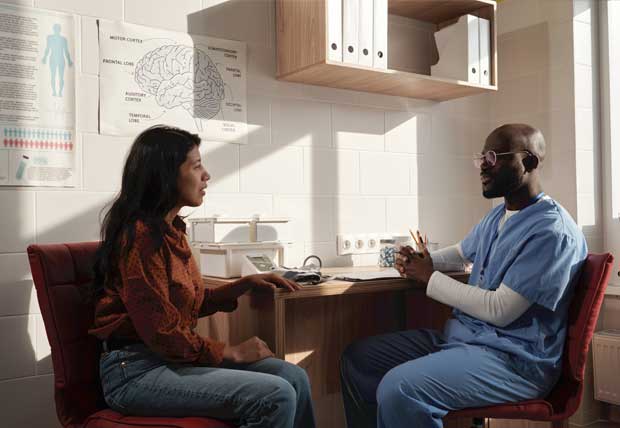
The landscape of mental health care is transforming rapidly, thanks to technological advancements that bring services closer to the individuals who need them. Telepsychiatry, a subset of telemedicine, has emerged as a pivotal player in this evolution. It offers a remarkable solution to the geographical and logistical challenges traditionally associated with mental health consultations. By providing remote access to psychiatric care, telepsychiatry is reshaping how individuals receive mental health support, making it more accessible, efficient, and holistic.
What is Telepsychiatry?
Telepsychiatry refers to the application of telemedicine in the field of psychiatry, allowing patients to consult with mental health professionals via video conferencing. This method ensures that individuals can receive high-quality mental health care without the need for physical travel, thereby overcoming barriers such as distance or mobility issues. Find out more about this approach.
Benefits of Telepsychiatry
Accessibility and Convenience
- Patients can access psychiatric services from their own homes, eliminating the need for travel.
- Flexible scheduling that accommodates patients’ lifestyles and time zones.
- Increased reach to underserved areas where psychiatric care is scarce.
Efficiency and Cost-effectiveness
- Reduces the overhead costs associated with traditional in-office visits.
- Decreases patient expenses related to travel and time off work.
- Streamlines administrative processes through digital records and online scheduling.
Enhanced Patient Engagement
- Facilitates continuous care and follow-up consultations.
- Encourages patients to seek help more readily due to reduced stigma and increased privacy.
- Enables real-time intervention and support, particularly in crisis situations.
Challenges and Considerations
Despite its promising potential, telepsychiatry is not without its challenges. It’s important to address these to ensure the continued success and expansion of remote mental health services.
Technological Barriers
- Requires reliable internet access, which may not be available in all regions.
- Necessitates a basic level of digital literacy among patients and providers.
Privacy and Security Concerns
- Ensuring patient confidentiality through secure platforms and encrypted communications.
- Compliance with regulations such as HIPAA to protect sensitive patient information.
Clinical Limitations
- Some conditions may require in-person assessments or interventions.
- Challenges in building rapport and trust through a screen.
To effectively navigate these challenges, tailored solutions and expert strategies are essential. Discover expert strategies here.
The Future of Telepsychiatry
The trajectory of telepsychiatry suggests a positive outlook, with ongoing advancements in technology and increasing acceptance by both providers and patients. As more individuals become comfortable with virtual interactions, telepsychiatry is poised to become a standard mode of care delivery. Innovations such as artificial intelligence and machine learning are likely to further enhance the capabilities of telepsychiatry, offering even more personalized and effective mental health interventions. Explore advanced guides and tips.
Ultimately, telepsychiatry represents a significant step forward in the pursuit of comprehensive, accessible, and patient-centered mental health care. As the field continues to evolve, embracing these advancements will be crucial for providing quality care to a wider audience. Learn about our tailored solutions.
