
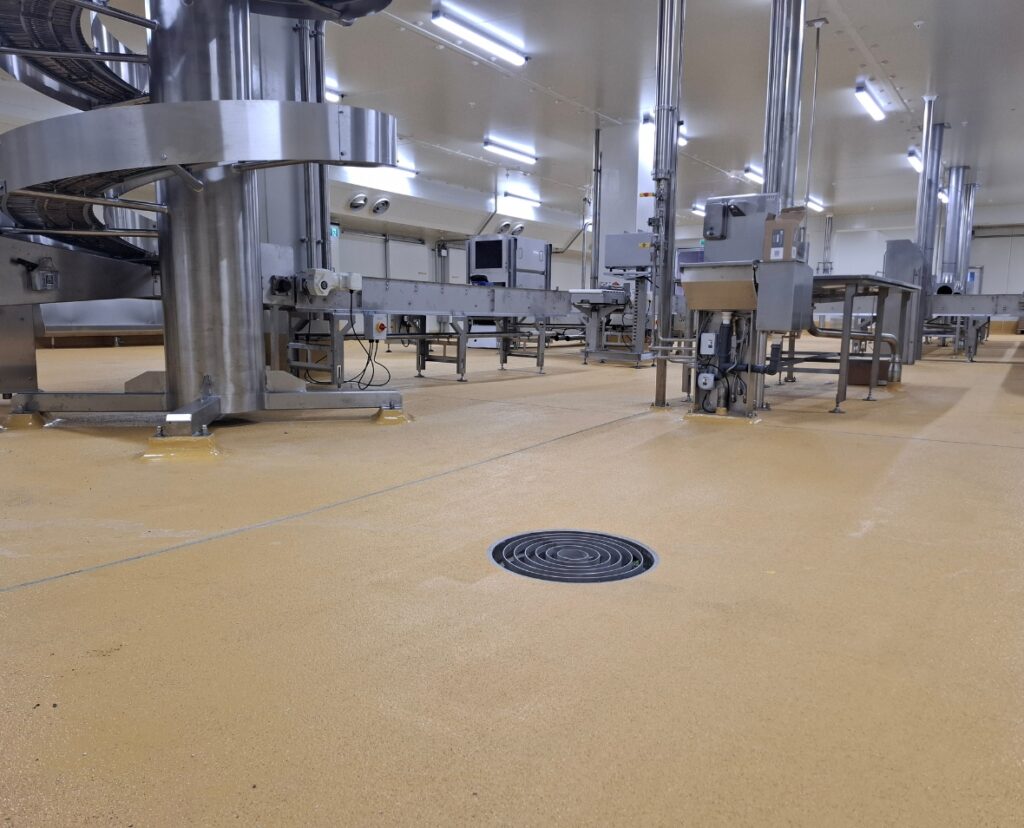
In industrial and commercial settings, the importance of durable and resilient flooring cannot be overstated. With the constant threat of chemical spills, abrasive wear, and heavy machinery, having a flooring solution that stands the test of time is crucial. Chemical resistant flooring solutions provide enhanced protection against these challenges, offering a safe, durable, and long-lasting solution. This guide delves into the various types of chemical resistant flooring available, their benefits, and how to choose the right solution for specific needs.
Understanding Chemical Resistant Flooring
Chemical resistant flooring is designed to withstand exposure to harsh chemicals without losing its integrity or performance. This type of flooring is particularly essential in industries such as pharmaceuticals, food processing, laboratories, and manufacturing, where chemical exposure is frequent and inevitable.
Types of Chemical Resistant Flooring
- Epoxy Flooring: Known for its robust chemical resistance and durability, chemical resistant epoxy flooring is a popular choice. It provides a seamless surface that is easy to clean and maintain, reducing the risk of contamination.
- Polyurethane Flooring: This type of flooring offers flexibility and resilience, making it suitable for areas with fluctuating temperatures. It resists chemical attacks well, although not as robustly as epoxy.
- Vinyl Ester Flooring: Ideal for environments with substantial chemical exposure, vinyl ester floors are highly resistant to a wide range of chemicals, including acids and solvents.
- Methyl Methacrylate (MMA) Flooring: Known for its rapid curing time, MMA flooring is excellent for facilities that cannot afford extended downtime during installation. It maintains exceptional chemical resistance and durability.
Benefits of Choosing Chemical Resistant Flooring
The choice to install chemical resistant flooring comes with numerous advantages, making it a valuable investment for any commercial or industrial facility.
- Enhanced Safety: By resisting chemical spills and abrasions, these floors reduce the risk of slips, falls, and contamination, promoting a safer working environment.
- Durability: Designed to withstand heavy traffic and harsh conditions, chemical resistant flooring extends the lifespan of the flooring system, reducing the need for frequent replacements.
- Low Maintenance: The seamless and non-porous nature of chemical resistant flooring makes it easy to clean and maintain, saving time and reducing maintenance costs.
- Cost-Effective: While the initial investment may be higher than standard flooring solutions, the long-term savings on maintenance and replacements make it a cost-effective option.
Choosing the Right Chemical Resistant Flooring Solution
Selecting the appropriate chemical resistant flooring solution entails assessing the specific needs of the environment, chemical exposure levels, and other operational requirements. Here are some considerations to keep in mind:
- Chemical Exposure: Evaluate the types of chemicals that the flooring will be exposed to and choose a material that offers adequate resistance.
- Operational Conditions: Consider factors such as temperature variations, humidity, and abrasion levels to determine the best fit.
- Installation Time: If downtime is a concern, opt for flooring solutions that offer quick curing times, such as MMA flooring.
- Budget Constraints: While prioritizing quality and durability, ensure that the selected solution aligns with budgetary limits.
Investing in chemical resistant flooring solutions is a strategic decision that enhances operational efficiency and safety. By understanding the different types available and their respective benefits, decision-makers can make informed choices that align with their specific requirements.
