
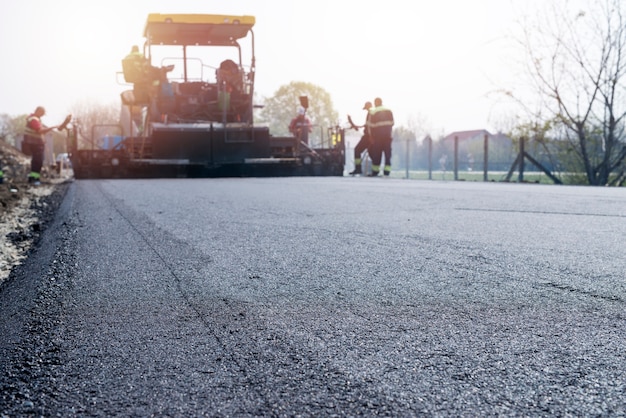
Concrete leveling is a critical process in maintaining the integrity and safety of various structures. Over time, concrete surfaces can become uneven due to soil settlement, water erosion, or poor initial installation. Mudjacking, also known as slab jacking or concrete lifting, is a proven technique to address this problem. By injecting a slurry mixture beneath the sunken concrete, mudjacking restores surfaces to their original level without the need for complete replacement. This article delves into the most effective mudjacking techniques available, offering insights into the process and its benefits for property owners and construction professionals alike.
Understanding Mudjacking
Mudjacking involves the strategic lifting of sunken concrete by pumping a mixture of cement, soil, and water under the slab. This method is not only cost-effective but also relatively quick, minimizing disruption to the surrounding environment.
Key Benefits of Mudjacking
- Cost Efficiency: Compared to complete slab replacement, mudjacking is significantly less expensive.
- Time-Saving: Most projects can be completed in a few hours, allowing for quick restoration of the area.
- Minimal Disruption: The process is less invasive, preserving landscaping and nearby structures.
- Environmentally Friendly: Utilizing existing materials reduces the need for new resources.
For more details on how mudjacking can benefit various projects, find out more about this approach.
Advanced Mudjacking Techniques
As construction technology advances, so do the techniques associated with mudjacking. Here are some of the most effective practices employed today:
Precision Drilling
Precision drilling involves creating small, strategically placed holes in the concrete slab. This allows for a more controlled injection of the slurry mixture, ensuring even elevation and reducing the risk of further settling. Explore advanced guides and tips on precision drilling techniques.
Customized Slurry Mixtures
The composition of the slurry mixture can be tailored to the specific needs of a project. Factors such as soil type, load-bearing requirements, and environmental conditions are considered to enhance the effectiveness of the mudjacking process. Learn about our tailored solutions for different environments.
Use of Eco-Friendly Materials
Incorporating eco-friendly materials into the slurry mix not only supports sustainability efforts but also improves the longevity of the repair. Advances in material science have made it possible to use recycled products without compromising quality. For more information, discover expert strategies here.
Considerations for Successful Mudjacking
To ensure the success of a mudjacking project, several factors need to be considered:
- Assessment of Soil Conditions: Understanding the underlying soil conditions is crucial for determining the appropriate slurry composition and injection pressure.
- Project Scope: Clearly defining the scope helps in planning and executing the project efficiently.
- Professional Expertise: Engaging with experienced professionals ensures that the job is done correctly, minimizing the risk of future issues.
For those considering mudjacking, it is beneficial to learn about our tailored solutions for effective project execution.
In conclusion, mudjacking offers a reliable and efficient solution for leveling uneven concrete surfaces. By leveraging advanced techniques and materials, this method provides a cost-effective alternative to complete slab replacement. With careful planning and execution, mudjacking can restore the functionality and appearance of concrete structures, ensuring their longevity and performance.
