
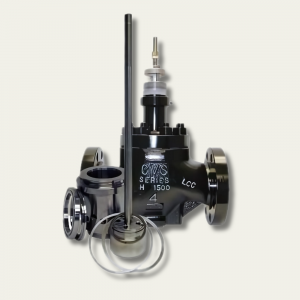
Water pressure release valves play a crucial role in maintaining the integrity and efficiency of pipeline systems. These valves are essential components that protect pipelines from excessive pressure buildup, which can lead to system failures, leaks, or even catastrophic ruptures. With their ability to regulate and stabilize pressure within the system, pressure release valves ensure continuous and safe operation, preventing costly downtimes and repairs. Understanding their function and importance can help industries optimize the performance and lifespan of their pipeline infrastructure.
The Functionality of Water Pressure Release Valves
Pressure release valves are specifically designed to control pressure levels within pipelines by releasing excess pressure when it reaches a predetermined threshold. This helps in:
- Maintaining optimal pressure levels to prevent damage.
- Ensuring the safety and reliability of pipeline operations.
- Extending the lifespan of the pipeline infrastructure.
- Reducing the risk of system failures and associated costs.
These valves act as a safety net, instantaneously responding to changes in pressure and preventing potential threats to the system’s integrity. For more detailed insights into their operation, discover expert strategies here.
Types of Water Pressure Release Valves
There are several types of pressure release valves, each suited for different operational needs and conditions. The most common types include:
Spring-Loaded Pressure Relief Valves
These valves use a spring mechanism to keep the valve closed under normal conditions. When the pressure exceeds the set limit, the spring compresses, allowing the valve to open and release excess pressure. This mechanism ensures:
- Quick response to pressure changes.
- Adjustability to different pressure settings.
- Reliability in various industrial applications.
Pilot-Operated Pressure Relief Valves
Pilot-operated valves function through a smaller pilot valve that controls the opening of the main valve. They are known for:
- Enhanced accuracy in pressure control.
- Ability to handle higher pressure levels.
- Suitability for large-scale industrial applications.
For further exploration of these valve types, learn about our tailored solutions.
Benefits of Using Pressure Release Valves in Pipelines
Implementing pressure release valves in pipeline systems offers numerous advantages, including:
- Protection against overpressure conditions, reducing risk of accidents.
- Improved system efficiency by maintaining optimal pressure levels.
- Cost savings from reduced wear and tear and minimized maintenance needs.
- Compliance with safety regulations and standards.
By incorporating these valves, industries can ensure their pipeline systems operate smoothly and efficiently, safeguarding both assets and personnel. Explore advanced guides and tips to optimize your pipeline infrastructure.
Conclusion
Water pressure release valves are indispensable components in the realm of pipeline systems. By effectively managing pressure levels, they not only protect the infrastructure but also enhance operational efficiency and safety. Understanding the types and benefits of these valves can significantly impact the performance and longevity of a pipeline system. For industries looking to bolster their pipeline operations, find out more about this approach to pressure management.
