
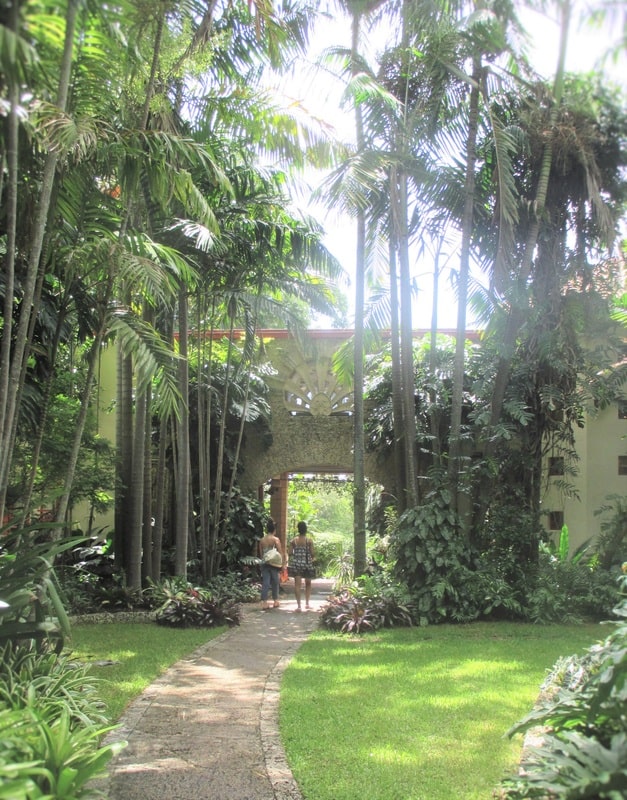
As urban areas continue to expand, the importance of maintaining healthy trees becomes increasingly vital. Urban trees not only contribute to the aesthetic appeal of cities but also play a crucial role in improving air quality, reducing urban heat, and supporting biodiversity. Tree health assessments are essential in ensuring that urban trees thrive, providing sustainable benefits to communities. These assessments involve evaluating various aspects of tree health, from physical structure to signs of disease or pest infestations. By understanding the condition of urban trees, cities can make informed decisions that support sustainable growth and environmental resilience.
Understanding Tree Health Assessments
Tree health assessments are systematic evaluations of trees that help in identifying potential health issues and necessary management actions. These assessments typically cover:
- Visual inspection of leaves, branches, and trunk for signs of disease or damage.
- Analysis of root health and soil conditions.
- Assessment of tree stability and structural integrity.
- Evaluation of pest presence and potential threats.
The information gathered from these assessments is crucial for urban planners and arborists to devise strategies that promote tree longevity and urban greenery. Read more about this topic.
The Impact on Urban Development
Environmental Benefits
Trees are integral to urban ecosystems, offering numerous environmental advantages:
- Air quality improvement by filtering pollutants and producing oxygen.
- Temperature regulation through shade and evapotranspiration.
- Habitat provision for urban wildlife.
Tree health assessments ensure these benefits are sustained by identifying and mitigating potential threats to tree health. Learn more in this detailed guide.
Social and Economic Contributions
Beyond environmental impacts, healthy urban trees contribute to social and economic well-being:
- Enhanced property values and aesthetic appeal of neighborhoods.
- Increased community engagement and recreational opportunities.
- Reduction of energy costs through natural cooling effects.
By regularly conducting tree health assessments, cities can maintain these benefits, fostering a more sustainable and appealing urban environment. Explore further insights here.
Implementing Tree Health Assessments in Urban Planning
Integrating tree health assessments into urban planning requires a collaborative approach involving arborists, city planners, and community stakeholders. Effective implementation involves:
- Regular monitoring and documentation of tree health data.
- Investment in technology and tools for precise assessments.
- Training personnel in best practices for tree care and management.
Successful integration ensures that urban trees are prioritized in development plans, aligning with broader sustainability goals. Find additional information here.
In conclusion, tree health assessments are a cornerstone of sustainable urban development. By prioritizing the health of urban trees, cities not only enhance their environmental resilience but also improve the quality of life for their residents. As urban areas continue to grow, the need for systematic and informed approaches to tree health becomes increasingly crucial.
