
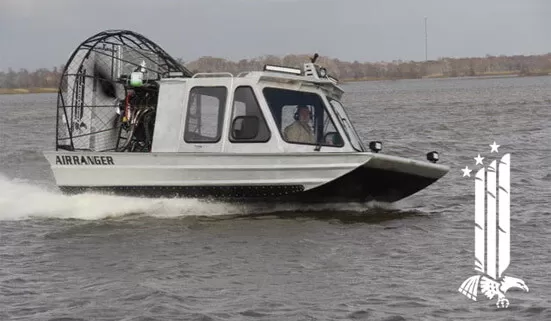
Embarking on the journey to acquire a military surplus vessel can be a fascinating venture. These vessels, often rich with history and enduring craftsmanship, can serve a variety of purposes from personal enjoyment to commercial use. However, purchasing a military surplus vessel requires a comprehensive understanding of the intricacies involved. This guide aims to elucidate the critical aspects of buying a military surplus vessel, ensuring potential buyers are well-informed and prepared for a successful acquisition.
Understanding Military Surplus Vessels
Military surplus vessels encompass a wide range of ships that were once utilized by naval or military forces. These vessels are typically decommissioned and made available for civilian purchase. They can range from small patrol boats to larger ships such as destroyers or aircraft carriers.
When considering a purchase, it’s essential to comprehend the types of vessels available:
- Patrol Boats: Generally smaller, agile vessels designed for coastal defense and law enforcement.
- Auxiliary Ships: Support vessels like supply ships or hospital ships, often well-suited for conversion to private use.
- Larger Ships: Includes destroyers, frigates, or even submarines, which may require significant resources to maintain and operate.
Understanding the type of vessel that suits your needs is an initial step. For further insights on these vessels, discover expert strategies here.
Key Considerations Before Purchase
Budget and Cost Analysis
The financial implications of purchasing a military surplus vessel extend beyond the initial acquisition cost. Consider the following:
- Purchase Price: Often more affordable than new vessels but varies based on size and condition.
- Refurbishment Costs: Many surplus vessels require repairs or upgrades to meet modern standards.
- Operational Costs: Fuel, crew, maintenance, and docking fees should be factored into long-term budget planning.
For a more detailed understanding of cost management, find out more about this approach.
Legal and Regulatory Compliance
Purchasing a military surplus vessel comes with a set of legal and regulatory requirements. Prospective buyers need to be aware of:
- Documentation: Proper transfer of ownership and registration is mandatory.
- Licenses: Depending on the vessel’s intended use, specific licenses or certifications may be required.
- International Regulations: If planning to operate internationally, compliance with global maritime laws is essential.
Learn about our tailored solutions to navigate these complexities effectively.
Inspection and Evaluation
Thorough inspection and evaluation of a potential purchase is critical. It is advisable to:
- Hire a qualified marine surveyor to assess the vessel’s condition and value.
- Review the vessel’s maintenance and service history for insights into its operational history.
- Consider the availability of spare parts and the ease of obtaining necessary upgrades.
For advanced guidance on vessel evaluation, explore advanced guides and tips.
Conclusion
Investing in a military surplus vessel can be immensely rewarding, provided the purchase is approached with diligence and awareness. Understanding the different types of vessels, budgeting strategically, complying with legal requirements, and conducting thorough inspections are all vital steps in the process. For those interested in pursuing this unique ownership experience, learn more about the process here. With the right knowledge and preparation, acquiring a military surplus vessel can lead to rewarding and adventurous endeavors on the water.
