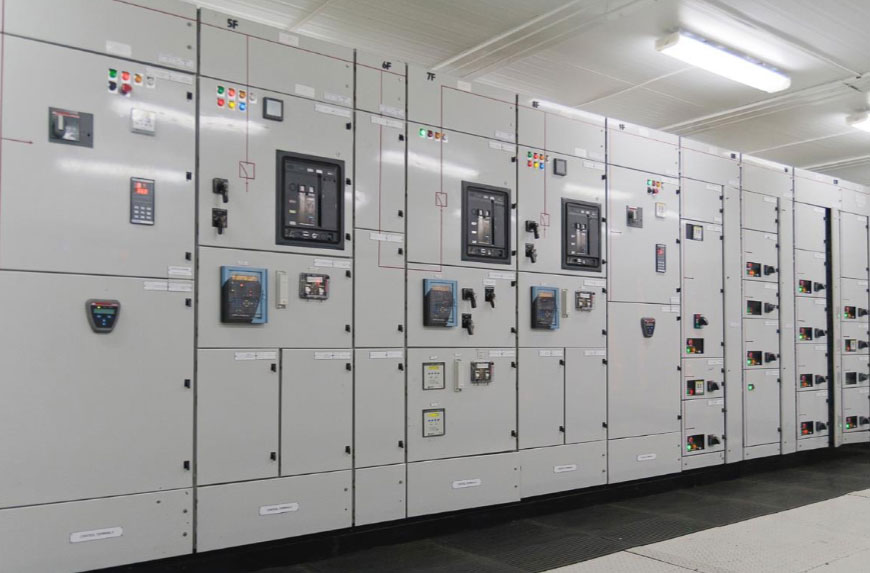
In the realm of electrical distribution systems, Gas Insulated Switchgear (GIS) technology has emerged as a pivotal innovation. Its ability to enhance efficiency, safety, and reliability in power systems makes it a preferred choice for modern infrastructures. With urbanization and industrial growth escalating, the demand for compact, efficient, and low-maintenance switchgear systems has risen, and GIS technology stands at the forefront of meeting these needs. This article delves into the various advantages of Gas Insulated Switchgear technology and its impact on the electrical power landscape.
What is Gas Insulated Switchgear?
Gas Insulated Switchgear (GIS) is a compact, metal-encapsulated switchgear which uses sulfur hexafluoride (SF6) gas as an insulating medium. This technology is primarily used in high-voltage applications to control and protect electrical circuits and equipment. Unlike conventional air-insulated switchgear, GIS offers numerous advantages that are crucial for modern power systems.
Benefits of GIS Technology
Space Efficiency
One of the most notable benefits of GIS technology is its space efficiency. Urban areas, with their limited available space, benefit significantly from GIS installations. The compact design allows for installation in confined spaces, making it ideal for urban substations and buildings.
- Requires less physical space compared to traditional air-insulated switchgear.
- Allows for flexible installation in diverse environments.
Enhanced Reliability and Safety
GIS technology is renowned for its robust reliability and safety features. The enclosed design minimizes exposure to environmental factors, reducing the risk of faults and enhancing system longevity.
- Minimizes the risk of electrical faults due to the sealed environment.
- Offers high operational reliability with minimal maintenance needs.
- Protects against moisture, dust, and contaminants.
For those interested in implementing this technology, find out more about this approach to ensure seamless integration and optimal performance.
Operational Flexibility
GIS offers substantial operational flexibility, catering to a wide range of applications and operational needs. This adaptability makes it a versatile choice for different sectors and industries.
- Adaptable to various operating conditions and environments.
- Capable of handling diverse power distribution requirements.
To explore advanced guides and tips on how GIS can be tailored to specific needs, click here.
Environmental Impact
While the use of SF6 gas in GIS technology has raised environmental concerns, advancements in technology have led to the development of more sustainable alternatives and practices.
- Ongoing research is focused on reducing SF6 emissions.
- Innovations aim to create eco-friendly insulating solutions.
Discover expert strategies here that are contributing to the eco-efficiency of GIS technology.
Cost-Effectiveness
Despite the higher initial cost compared to air-insulated systems, GIS technology offers long-term economic advantages.
- Reduced maintenance costs due to the enclosed design.
- Longer lifespan and greater reliability lead to lower lifecycle costs.
Learn about our tailored solutions that ensure the cost-effectiveness of GIS systems by visiting this page.
Conclusion
Gas Insulated Switchgear technology stands as a critical component in the evolution of modern power systems. Its advantages in space efficiency, reliability, safety, and environmental adaptability make it an essential choice for contemporary electrical infrastructure. As advancements continue, GIS technology promises further enhancements in efficiency and sustainability. For further information on integrating GIS technology into power systems, explore advanced guides and tips to make informed decisions.